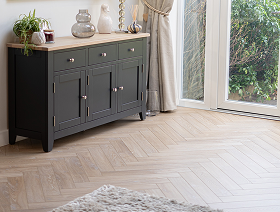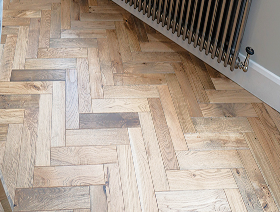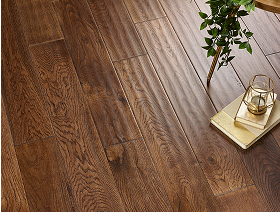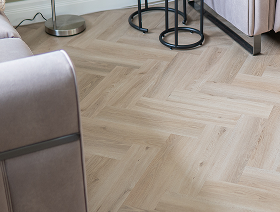
The problem many homes face isn’t creating heat; it’s moving heat from room to room. That is why the role of flooring in heat distribution throughout a home should be something you pay closer attention to than most people do. Flooring can affect how well heat naturally rises through the floor, how long your floors retain that warmth, and how evenly temperatures are distributed between rooms.
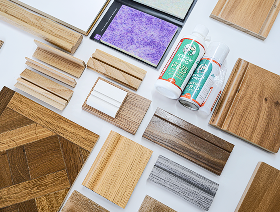
For that reason, flooring is both an aesthetic decision and a performance one. Tile, engineered wood, luxury vinyl, and laminate all conduct heat at different rates, particularly in homes with radiant heating or underfloor systems. To learn more about how flooring affects heat distribution and comfort levels, and to make informed decisions for year-round energy efficiency, check out this guide on what to consider and which floors work best in each room.
Table of contents
Why Flooring Matters for Heat Distribution in a Home
Floor coverings are literally the last step between your heat source and the rooms above it. This puts your floors in a prime position to affect how heat disperses into a room. Two rooms can have the same source of heat but feel completely different based on their flooring. Some floors allow heat to transfer quickly and uniformly, while others restrict it.
Flooring impacts how quickly a room heats up, how long it stays warm, and how evenly heated it feels throughout your home. Those factors are magnified when you have a radiant system installed, which is why selecting the best flooring for underfloor heating can lead to a difference you can feel…and pay for.
Radiant heat doesn’t matter alone. Carpet also impacts the overall relationship between heat output, energy consumption and everyday comfort levels throughout your home. For example, one material may conduct heat better, allowing the kitchen or bathroom to heat up faster. But you may prefer the softer texture of another flooring option in your bedrooms, even if it doesn’t conduct heat quite as well. Learning how to balance these items is the first key to selecting the right flooring for your entire home.

Best Flooring for Heat Distribution Across a Home
The best flooring options for heating aren’t necessarily the ones that look the warmest or most mainstream. They’re dictated by how well flooring materials conduct heat upward, how evenly that heat distributes across the space and how compatible the floor is with the traffic flow of each room. For instance, kitchens can usually get away with faster-conducting surfaces, while bedrooms should balance heat emission with comfort.
Flooring Comparison Table for Heat Distribution
This table provides a general comparison of various flooring types and their typical thermal performance when installed in a heated house. It can help you understand which materials allow heat to flow more quickly, which retain heat longer, and the general applications of each type.
| Flooring Type | Heat Transfer | Heat Retention | Best For |
| Tile / Stone | Very High | High | Bathrooms, kitchens |
| Engineered Wood | Good | Good | Living rooms, bedrooms |
| Luxury Vinyl | Good | Medium | Kitchens, bathrooms, busy spaces |
| Laminate | Moderate | Medium | Budget-friendly living areas |
| Carpet | Low | Medium | Bedrooms and softer spaces |
Tile and stone will typically win any contest when it comes to energy efficiency. However, neither option is ideal for every room in your home. Flooring selections are typically made based on your desired room ambience, how quickly you want the floor to heat up, and how much you value moisture resistance, cushion, and upkeep.
Tile and Stone
Tile and stone are considered the best performers for radiant heating because they conduct heat rapidly and evenly. They excel in bathrooms and kitchens because they respond quickly and maintain a consistent surface temperature, making the space feel more comfortable. They also hold heat well due to their density.
Engineered Wood
Engineered wood offers excellent comfort while still delivering great looks. Engineered wood doesn’t conduct heat as quickly as tile, but it works quite well in many heated homes when the product is designed for radiant use. Because of this, engineered flooring can be one of the most sensible choices for living areas and bedrooms where you want comfort and style.

Luxury Vinyl
Luxury vinyl is newer, but it can also promote decent heat distribution. It also happens to be very practical on a day-to-day basis. Luxury vinyl warms up fairly well, too. For homes that need a more versatile, low-maintenance surface, luxury vinyl flooring can be a smart choice that balances comfort and performance.
Laminate
Laminate itself can perform adequately for heat transfer, but, as always, it will depend on the actual product, its thickness, and the full build-up you install. You typically will not get as much heat transfer through laminate as tile or engineered wood. Laminate flooring is found in most homes today due to its low cost. If you are looking for an inexpensive option, laminate can still offer decent warmth, style, and value.
Carpet
Carpet will typically be your lowest-performing choice for direct conductive heat transfer, as it insulates better than it conducts. That being said, carpet isn’t inherently bad. If you have a bedroom or another area where comfort is your top priority, you may still want carpet despite its slower heat transfer compared to other flooring types.
What Can Reduce Heat Distribution Even With the Right Flooring?
Flooring selection is significant, but superior heat transfer isn’t reliant on flooring material alone. Many residences suffer from poor radiant heat distribution, not because their flooring is incorrect, but because other materials incorporated in the floor build-up oppose it. Think of excess underlay, improper subfloor insulation, oversized rugs, and even furniture placements that restrict the spread of warmth.
Installation is also critical. Even if a floor is technically suitable for heated environments, it can still perform poorly if it is too thick, installed over incorrect underlay, or not designed to work with the heating system below. This matters more in homes attempting to boost energy efficiency, because little design decisions can have a tangible impact on how evenly heat is distributed from room to room.
That’s why it pays to look past the finish layer and consider the complete system. If comfort and reducing lost energy are your objectives, it also helps to know how to reduce heat loss through the floor before deciding on your finish flooring. Often, the best solution is a combination of an appropriate surface material installed correctly and insulation underneath.

Which Flooring Works Best in Different Rooms of the Home?
The best flooring for heat distribution depends on how heat needs to move throughout each room. Some rooms require quicker conductivity than others. While other rooms may require optimal distribution between heat retention, comfort, and usability.
- Bathrooms and kitchens: Tiles, stone, and some luxury vinyl floors tend to perform better because they conduct heat well and are water-resistant.
- Living rooms: Engineered wood floors and high-quality laminate are among the best flooring options, thanks to their heat retention, aesthetics, and daily comfort.
- Bedrooms: Carpet tends to make the most sense, where softness and comfort are prioritised over how quickly the floor heats.
Pick your flooring based on what works best in each room instead of believing 1 flooring will do GREAT in every room of your house.
Final Thoughts on Flooring and Heat Distribution
Flooring can have more impact on your home comfort than most realise. It plays a role in heat transfer, thermal comfort and heating system efficiency over the long term. Typically, the ideal scenario is achieved by selecting flooring that complements your heating system and suits the purpose of each room, rather than just what looks good. That’s why at Flooring Surgeons, we want you to choose flooring that not only fits with the style of your space, but also your lifestyle.

Ana.Soltanpoor
I’m an SEO Specialist with a strong background in content management and organic search. I build data-driven content strategies by aligning user intent, search behavior, and SEO best practices to ensure every piece of content delivers clarity, relevance, and measurable organic performance.