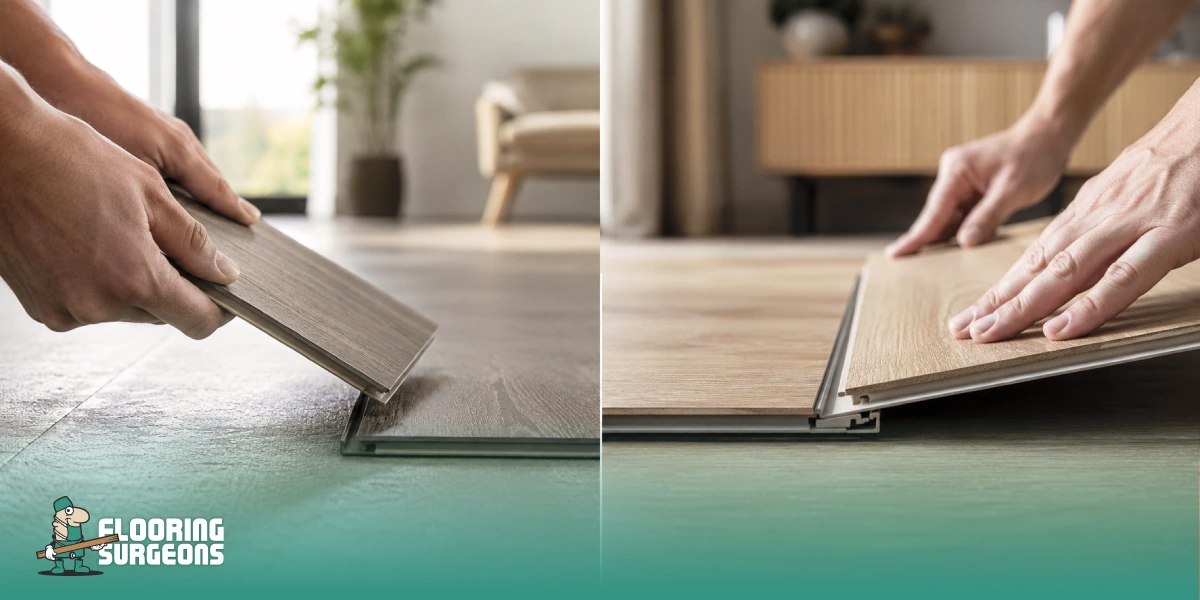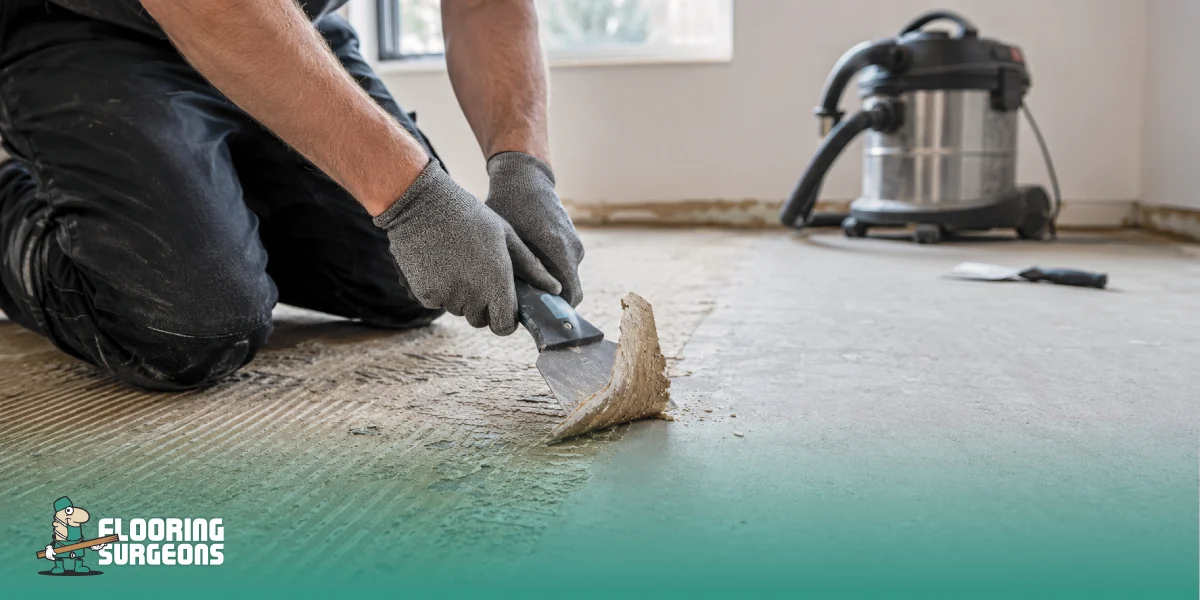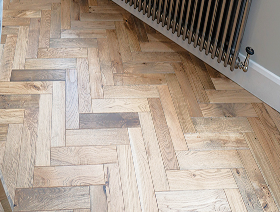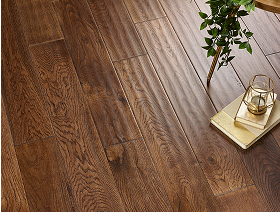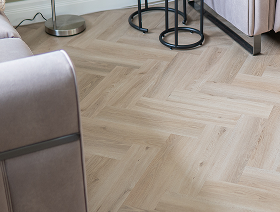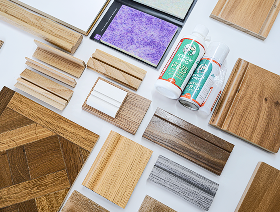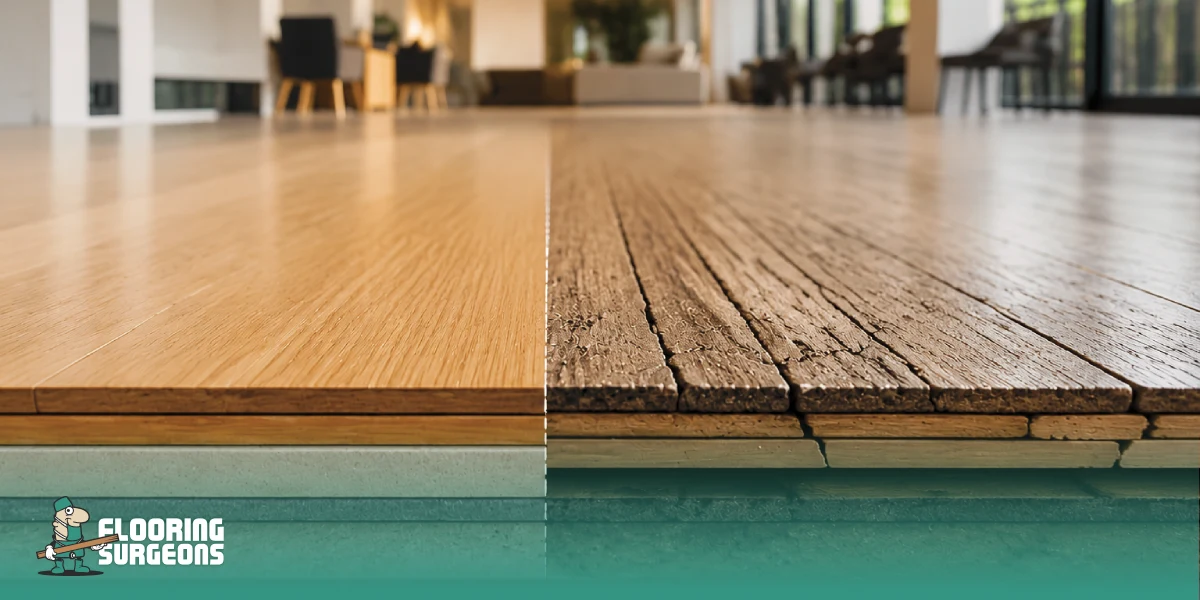
Material fatigue in flooring surfaces refers to the gradual loss of strength or endurance of flooring materials due to repeated stress or strain. It’s important because flooring is subjected to constant wear and tear from foot traffic, furniture movement, heavy loads, and environmental factors. Material fatigue can lead to a variety of issues, including microcracks, surface wear and tear, and reduced flooring durability. Research indicates that high-traffic areas can experience a 20% reduction in flooring lifespan when material fatigue isn’t accounted for. In this article, we will discuss what causes material fatigue in flooring materials, which factors contribute most to it, and how to help prevent it and choose flooring that will stand the test of time. Learn what types of flooring have the best resistance to fatigue and how you can keep your floors looking their best.
Table of contents
Cyclic Loading and Surface Wear in Flooring
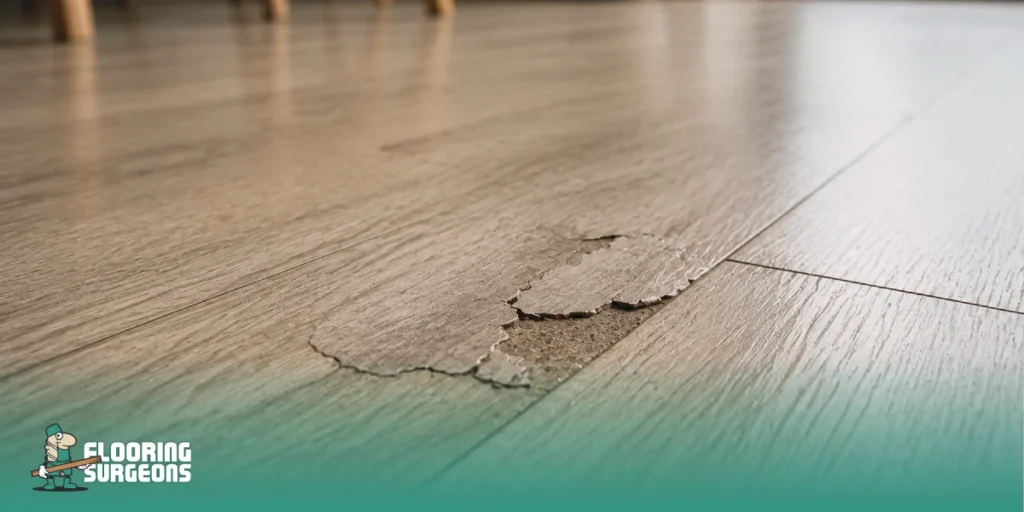
Cyclic loading can occur on flooring surfaces due to repeated loads, such as human foot traffic, furniture movement, or heavy equipment movement. Cyclic loading can accelerate surface wear accumulation over time and induce fatigue crack growth, slowly weakening a material.
Heavy-traffic areas like hallways, kitchens, and commercial spaces wear down materials faster. This can cause microscopic cracks or visible signs of wear if you do not choose your flooring wisely. Opting for AC5 Laminate Flooring in high-traffic areas will make it more resistant to constant wear and tear.
Factors Affecting Flooring Durability
Factors that affect flooring durability include the flooring material, the wear layer thickness, and the environmental factors where the flooring is located. Selecting appropriate flooring can significantly impact fatigue performance and longevity.
Material Type and Wear Layer Thickness
Different flooring materials respond differently to stress:
| Flooring Type | Wear Layer Thickness | Durability | Abrasion Resistance |
| AC5 Laminate Flooring | 0.55 mm | High | High |
| Luxury Vinyl Flooring | 0.5 mm | Medium-High | High |
| Waterproof Laminate Flooring | 0.4 mm | High | Medium |
| Solid Wood Flooring | 0.6 mm | Medium | Medium |
This chart helps you see at a glance which materials hold up best against material fatigue and long-term wear. Choosing a flooring that has a thicker wear layer will almost always increase durability and longevity.
Environmental Stress on Flooring
Humidity, temperature changes, UV rays, and other environmental factors can cause materials to fatigue more quickly. When selecting flooring, consider one that will hold up well against your environment.
Luxury Vinyl Flooring is excellent at withstanding moisture and temperature changes. Perfect if you need something for your kitchen or bathroom that will be affected by these more often.
Maintenance Strategies to Reduce Fatigue
Flooring material fatigue can be avoided with proper care. Sweep and mop floors regularly, prevent damage from heavy objects, and look for early signs of wear and tear. By taking care of your floors, you can ensure they last longer than you ever thought imaginable.
How Flooring Performs Under Laboratory Stress Tests
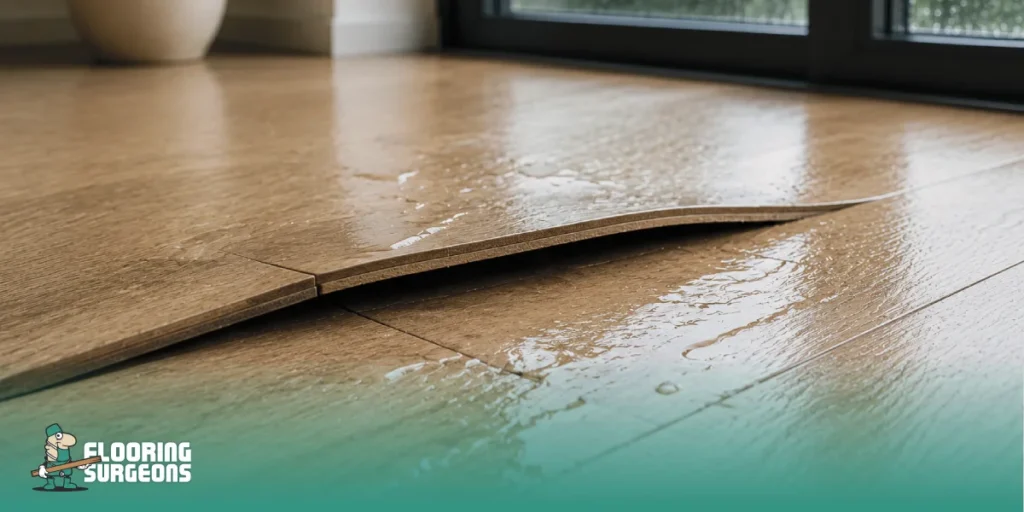
Flooring materials respond differently to repeated traffic. We evaluate how flooring products respond to laboratory stress tests. Stress tests attempt to simulate cyclic loading and wear characteristics before installation to determine likely failure modes. Some materials develop small cracks much more easily than surface abrasion with use. To learn more about flooring product failures during laboratory stress tests, read our article: How Flooring Products Fail Laboratory Stress Tests.
Common Misconceptions About Flooring Durability
Many people believe that all good flooring will last forever. Sadly, reality isn’t always what people perceive it to be. Regardless of how high-end your materials are, they can become susceptible to accelerated top wear and fatigue if other factors, such as traffic patterns and environmental conditions, are not taken into consideration. Read below to learn how to avoid replacing your floors early due to wear and tear and spending more money than you need to.
Learn more about common misconceptions in flooring durability in our guide: Why Buyers Overestimate the Durability of Flooring. This article explains how to evaluate flooring realistically and make smarter long-term choices.
Conclusion
Flooring failures occur due to repetitive wear and tear, also known as material fatigue. Cyclic Loading: Floors endure repeated stress from foot traffic and furniture. Surface wear: Texture and finish can wear down over time. Environmental stress: Changes in temperature and humidity can also affect your floors.
With the right knowledge and material selection, your floors can withstand just about anything. Keep reading to learn more about how you can select flooring that lasts. By taking proper care of your floors and understanding which products are more durable, you can ensure they are protected, last longer, and look beautiful for years to come.
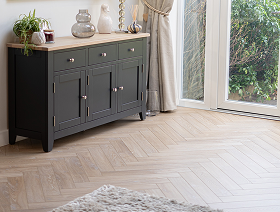
Here at Flooring Surgeons, we can offer you a huge selection of hard-wearing floorings and advice on what would be best to prevent failures in your home.

Ana.Soltanpoor
I’m an SEO Specialist with a strong background in content management and organic search. I build data-driven content strategies by aligning user intent, search behavior, and SEO best practices to ensure every piece of content delivers clarity, relevance, and measurable organic performance.