Your home is more than a place to live. It shapes your habits, mood, and identity. Decorating is often seen as purely aesthetic, but it has a deeper impact. The look and feel of a space affects your well-being, productivity, and even how others view you. Most people overlook this: Decoration is more than what you place in a room. It starts with the surfaces, especially the flooring beneath your feet.
Table of contents
The Psychological Impact of Home Decoration
Home decoration is not just visual. It impacts how we feel, think, and act in a space. Colours and materials shape mood and comfort. Interior design psychology is now essential for creating a truly supportive home.
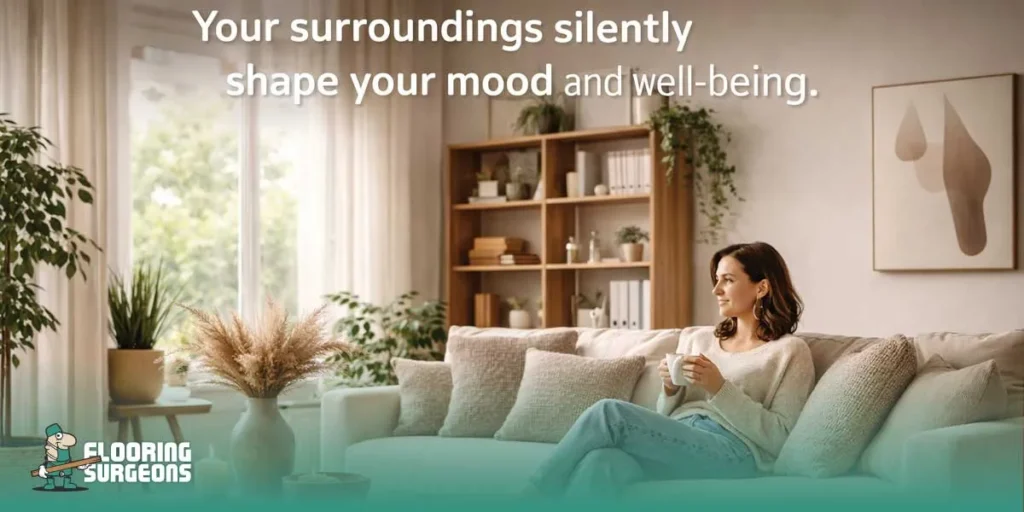
Our surroundings influence us, often unconsciously. Some design choices make a space calm and welcoming. Others create tension or discomfort for no obvious reason.
- Colours influence emotional states.
Warm tones such as beige, soft browns, and wood shades evoke a sense of warmth and relaxation. Cooler tones like grey and blue feel clean and modern but may seem distant or sterile if not balanced. - Layout affects stress and mental clarity.
A well-organised, open layout helps the mind rest and process information easily. Cluttered spaces cause subtle stress and reduce focus over time. - Materials shape comfort perception.
Natural materials like wood and stone feel grounding and reassuring. Synthetic or glossy finishes can seem cold or impersonal. Texture makes a space feel more inviting.
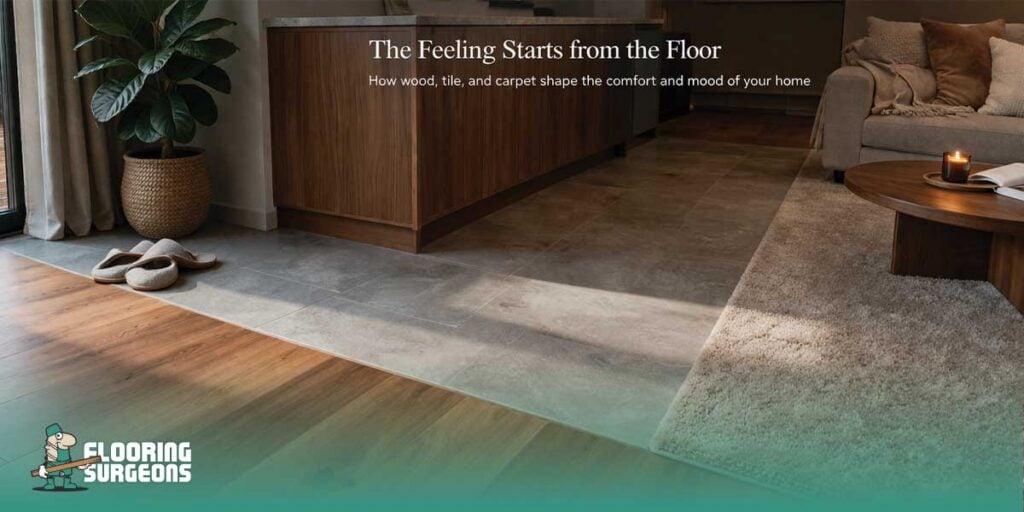
Flooring is often overlooked. Unlike decorations at eye level, it is something we interact with daily. Flooring shapes how a space looks, feels underfoot, and affects sound in a room.
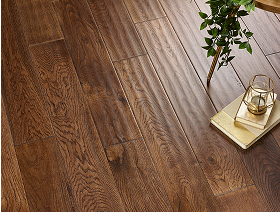
Wood flooring, for instance, tends to create a sense of warmth and stability, making a space feel more natural and lived-in. Tile flooring offers a clean, structured appearance, often associated with practicality and durability, though it can feel rigid if not balanced with softer elements. Carpet, on the other hand, introduces softness and quietness, which can enhance feelings of comfort and relaxation, particularly in living areas or bedrooms.
When thoughtfully combined, these elements create a home that feels intuitive and balanced. Without them, even an attractive space can feel off for no clear reason.
This is where many decorating decisions fall short. People often focus on furniture and accessories while overlooking foundational elements, such as flooring, that quietly define a room’s atmosphere. A well-designed home does more than look good. It supports how you feel and how you live, every single day.
How Decorating Reflects Identity and Lifestyle
Decorating is rarely just about appearance. It reflects how someone lives, what they value, and what brings daily comfort. Personalising your home matters. It turns a space into something familiar, not just styled.
Some interiors feel calm and restrained, built around neutral tones, soft textures, and minimal distraction. Others feel richer and more expressive, using layered materials and strong visual contrast. These differences come from lifestyle, routine, and preference—not just trends.
Lifestyle interior design matters. A home shaped by quiet routines differs from one built for movement, family life, or entertaining. Good decoration follows these patterns instead of forcing a space into something it’s not.
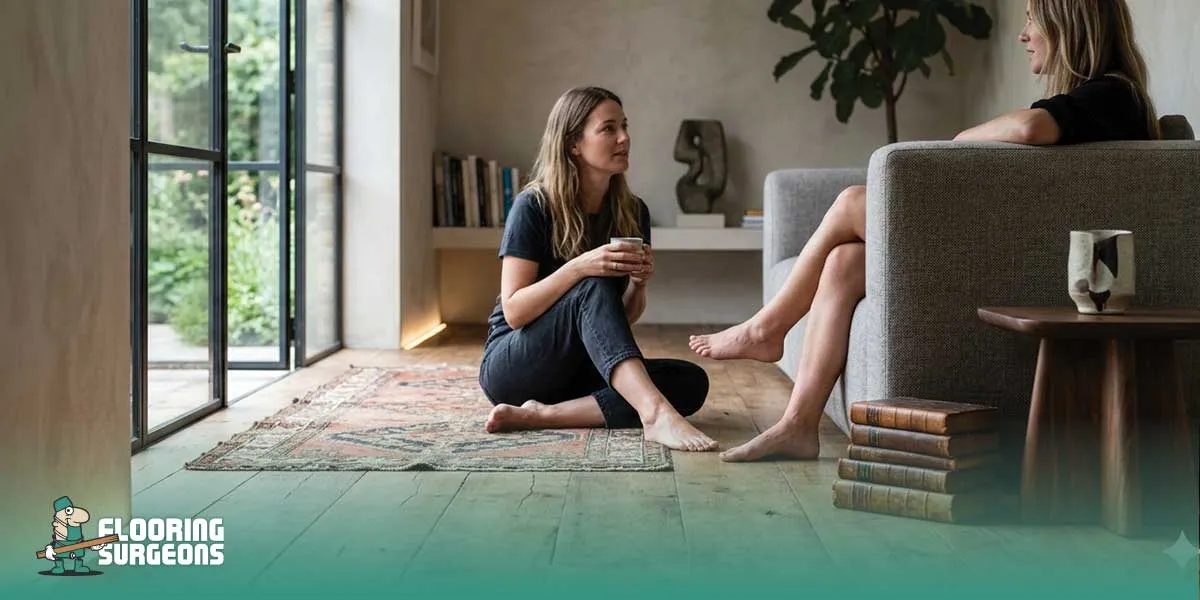
What often goes unnoticed is how flooring supports that identity. Furniture can be changed, but flooring stays consistent throughout the home. As a result, it serves as a silent signature. Warm wood can make a space feel grounded and natural, while tile can create a cleaner, more structured atmosphere. Carpet, on the other hand, often adds a softer and more relaxed tone. When these choices align with lifestyle, the home feels more cohesive and easier to live in.

The Hidden Role of Flooring in Interior Design
Flooring is influential in interior design but often treated as background. It shapes how a space looks, feels, and functions before anything else is noticed. This makes it easy to underestimate its importance.
Every design decision in a room sits on top of the flooring. It affects how colours appear, how light moves across surfaces, and how connected different areas feel, especially when considering how flooring helps create better flow between rooms. Choosing the right flooring is not just a technical step. It is part of building the entire visual and functional foundation of a space.
How Different Flooring Types Influence Space Experience
Different types of flooring create different design outcomes:
- Hardwood flooring adds warmth, depth, and a natural sense of quality.
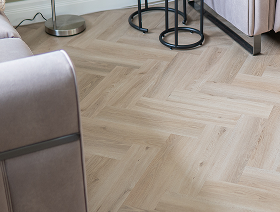
- Laminate flooring offers consistency, practicality, and easier upkeep.
- Tile flooring provides durability and a clean, structured look.
- Carpet flooring introduces softness, comfort, and reduced noise.
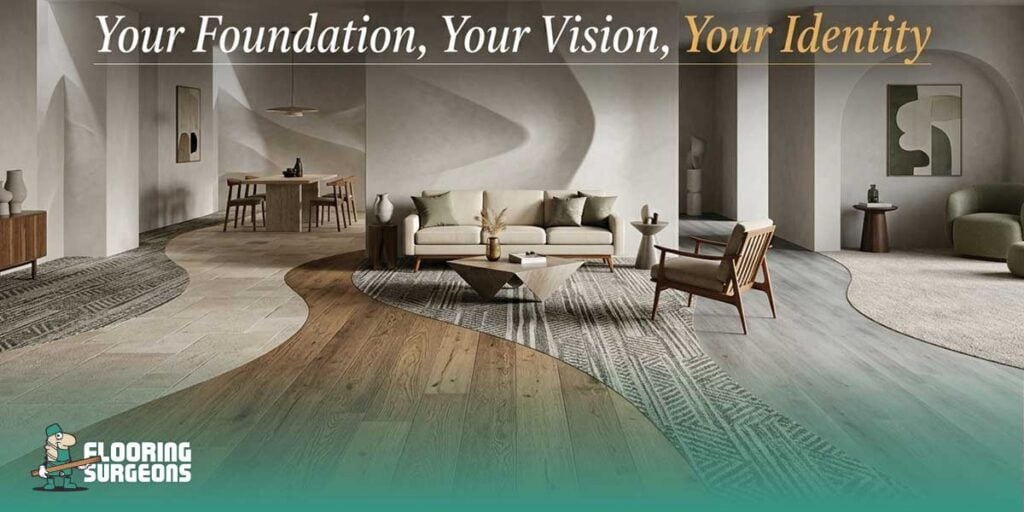
Flooring changes how a space performs. Texture makes rooms inviting. Light reflection affects openness. Acoustics shape calmness or activity.
This is where many interiors fall short. Without the right foundation, even well-chosen furniture can feel disconnected. With the right flooring, everything above it begins to feel more balanced, more intentional, and easier to live with.
Decorating Your Home Can Increase Property Value
Decorating your home is not only about improving its appearance. It can also increase its market value and make it more appealing to potential buyers. Small, well-planned design decisions often have a noticeable impact on how a property is perceived.
When buyers enter a space, they do not analyse every detail. Instead, they form a quick impression based on how the home feels, often influenced by which types of flooring add real value to a home rather than just surface appearance. This is where interior design and home improvement ROI come together.
| Element | Impact on Value | Buyer Perception |
| Flooring | High | Immediate impact |
| Wall colour | Medium | First impression |
| Lighting | Medium | Atmosphere |
Flooring has a strong influence because it covers a large area and affects the home’s feel. Clean, modern flooring increases value. Worn or outdated flooring lowers it.
Functionality Matters as Much as Aesthetics
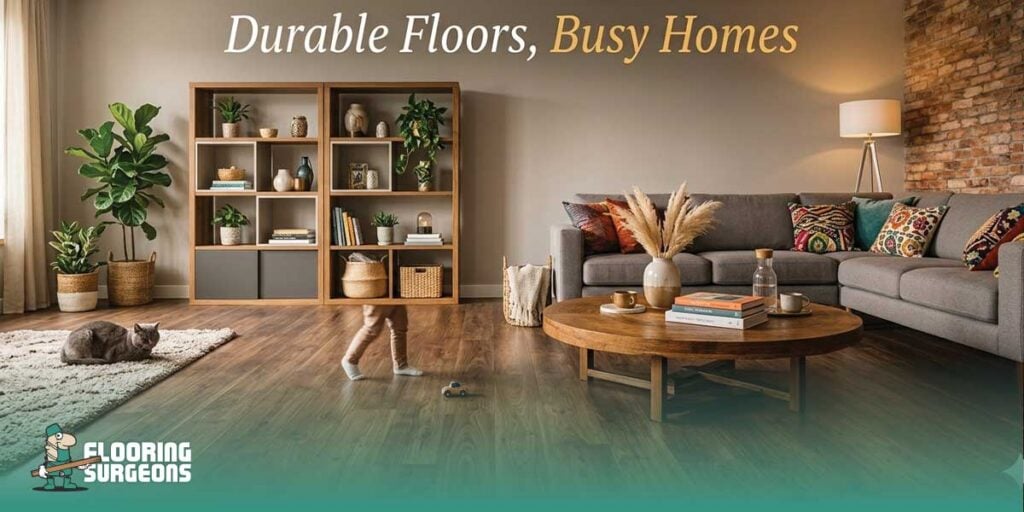
A beautiful space that does not fit into daily routines can create frustration. High-traffic areas like hallways or kitchens need durable flooring that handles constant use. At the same time, different lifestyles demand different solutions. A family home with children and pets will prioritise practicality, durability, and ease of maintenance. “In these situations, durable options like luxury vinyl flooring for busy homes tend to perform better over time without compromising the overall look. In contrast, a minimalist living space may focus more on simplicity and visual clarity, with fewer but more refined materials. The most successful interiors balance both sides. They look good, but they also feel right to live in.
Common Decorating Mistakes (and How to Avoid Them)
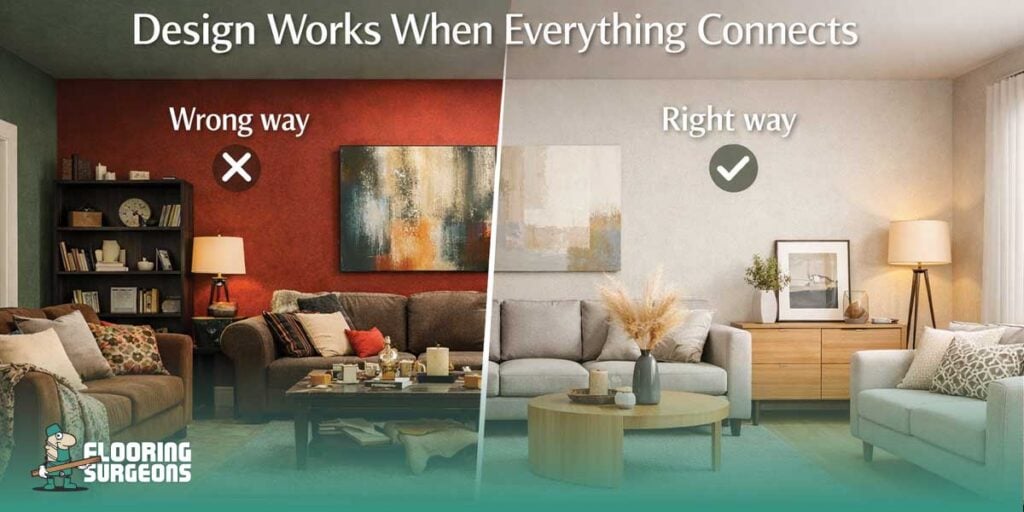
Many decorating mistakes happen when decisions are made in isolation rather than as part of a complete design.
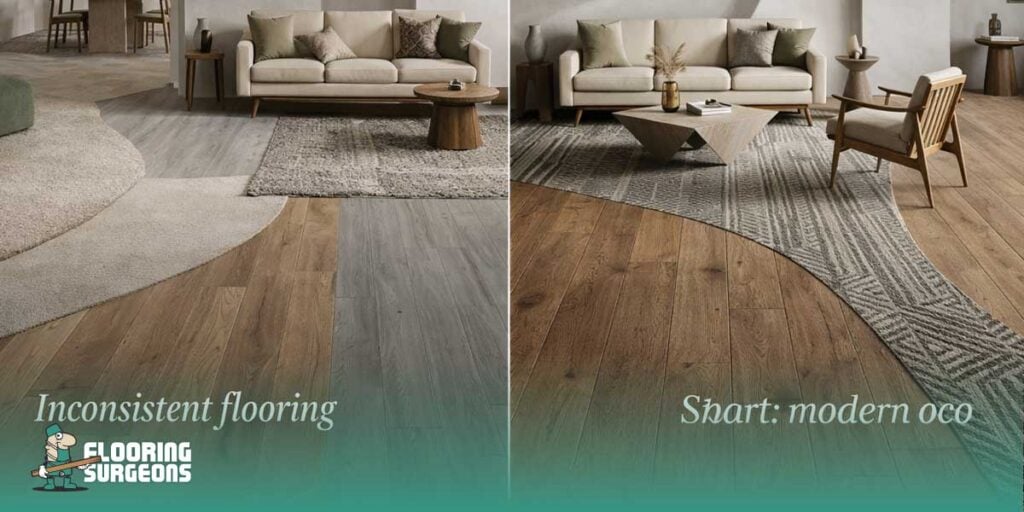
- Ignoring flooring consistency: Using different flooring styles without a clear transition can make a home feel disconnected.
- Choosing style over durability: Selecting materials that look good but cannot handle daily use often leads to faster wear.
- Poor colour coordination: Clashing tones between flooring, walls, and furniture reduce visual harmony.
- Overcrowding the space: Too many elements can make even a well-designed room feel smaller and less functional.
Avoiding these mistakes comes down to thinking about how each element works together, not separately.
How to Start Decorating Your Home the Right Way
Starting can feel overwhelming with many design options. A clear structure makes the process manageable.
- Start with flooring: It defines the base of the space and influences every other decision.
- Define your colour palette: Choose tones that complement the flooring rather than compete with it.
- Select furniture carefully: Focus on pieces that match both style and function.
- Layer textures and details: Add depth through fabrics, finishes, and smaller elements.
This approach keeps the design consistent from the ground up and avoids common mismatches later.
Why Flooring Should Be Your First Design Decision
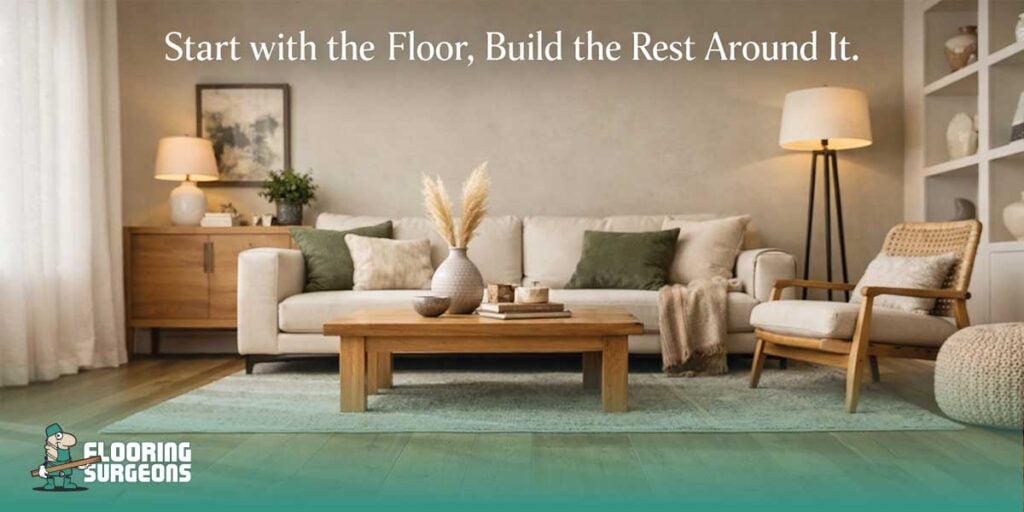
Most people begin decorating with furniture or colours. In reality, flooring should come first. The reason is simple. Flooring is one of the largest and most permanent surfaces in a home. It affects how colours appear, how light behaves, and how cohesive the entire space feels.
When flooring is chosen first, everything else becomes easier to align. For many homes, choosing materials such as engineered flooring for a balanced and long-lasting look helps set a clearer direction for the rest of the design. Furniture fits better, colours feel more balanced, and the overall design looks intentional rather than pieced together. When it is chosen last, the opposite often happens. You end up adjusting other elements to fit the floor, which limits your options and can reduce the overall quality of the design. This is why flooring is not just another step. It is the foundation that supports every decision that follows.
Final Thoughts
Decorating your home is not simply about appearance. It shapes how a space feels, functions, and is experienced over time. When design decisions are made thoughtfully, from flooring to finishing details, the result is a home that feels balanced, comfortable, and valuable in more ways than one. If you’re exploring ideas for how flooring choices can influence this balance, you can browse a range of styles at Flooring Surgeons to help refine your direction.
For anyone still exploring ideas, seeing a wider range of flooring styles and finishes can help turn inspiration into a more defined direction.

Haniye Ayanmanesh
As an expert writer for Flooring Surgeons, I combine technical SEO knowledge with a practical understanding of flooring, producing content that helps users make confident decisions while supporting long-term organic growth.