When you’re trying to buy new flooring, it’s easy to get a bit flustered when you see how much the prices differ for the same kinds of items from one place to another. Learning how flooring prices can differ between suppliers will help you make smart decisions when remodelling your home. Differences in materials, installation requirements and markup by flooring retailers affect how much you pay for new floors.
Take flooring options for example; laminate flooring may be less expensive than other flooring types as it can be used in many rooms and areas of the house. Engineered flooring and luxury vinyl flooring may be priced higher because they tend to last longer and have different constructions. In some cases, even a small change in the wear layer or the core quality can affect your price. Understanding these drivers of flooring cost can help you become a smart consumer when you are shopping for value vs price flooring.
Table of contents
Key Factors That Influence Flooring Prices
When choosing flooring, it’s important to understand the factors that cause flooring prices to vary between suppliers. You may look at two floors that seem similar but have different prices. Here’s why: it’s based on material, construction, and installation.
Material Type and Quality
Type and quality of materials can determine much of your flooring cost. Some examples:
- Laminate Flooring: Budget-friendly flooring that can be used just about anywhere in your home. However, thicker wear layers can increase longevity but also increase costs. Also affecting the cost is the quality of the HDF core inside the laminate plank.
- Engineered Hardwood Flooring: Tends to be more durable and visually pleasing, but comes at a higher cost.
- Luxury Vinyl Flooring (LVF): Extremely durable and waterproof flooring option. Cost can increase with thicker wear layers and higher-quality PVC cores.
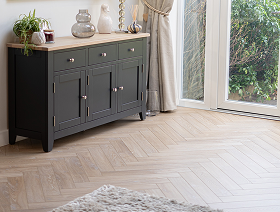
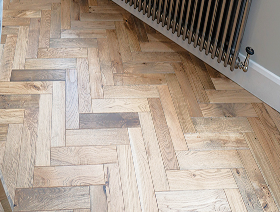
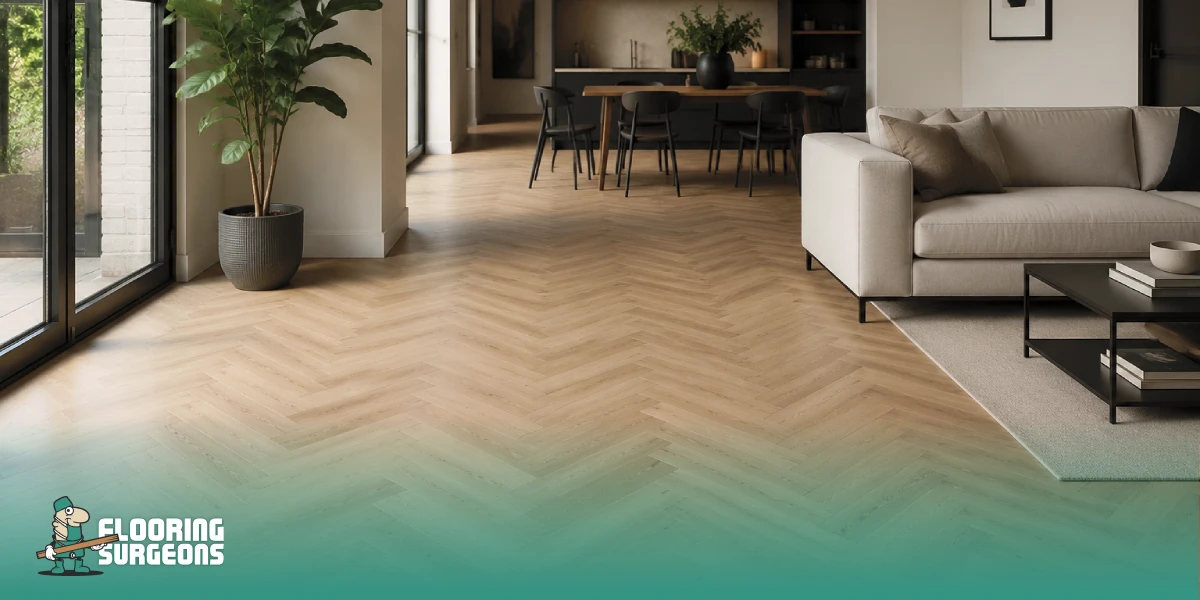
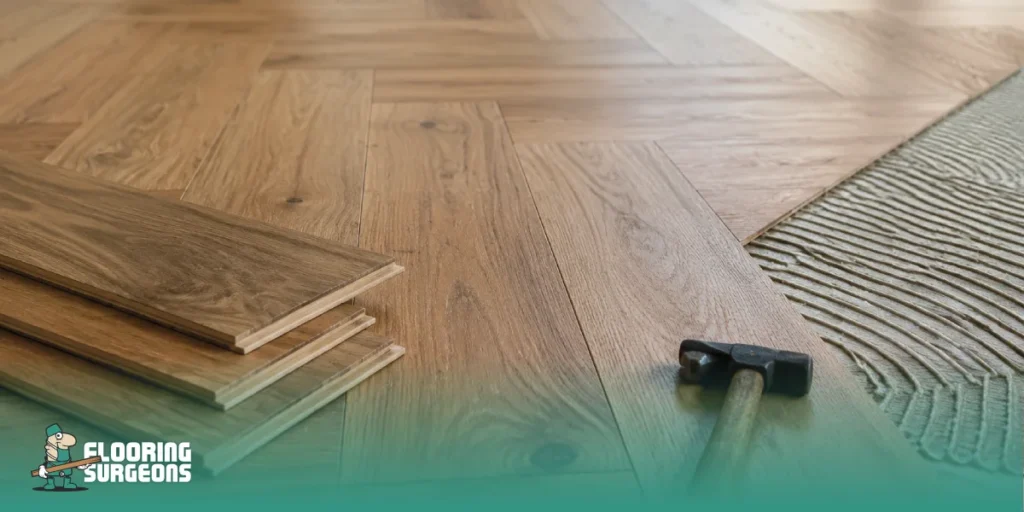
- Herringbone Pattern Flooring: Attention to detail is key when installing herringbone pattern floors, which can increase costs.
Small differences, such as wear-layer thickness or finish quality, can lead to significant price discrepancies between suppliers. That’s why it is important to compare both material and performance when selecting flooring.
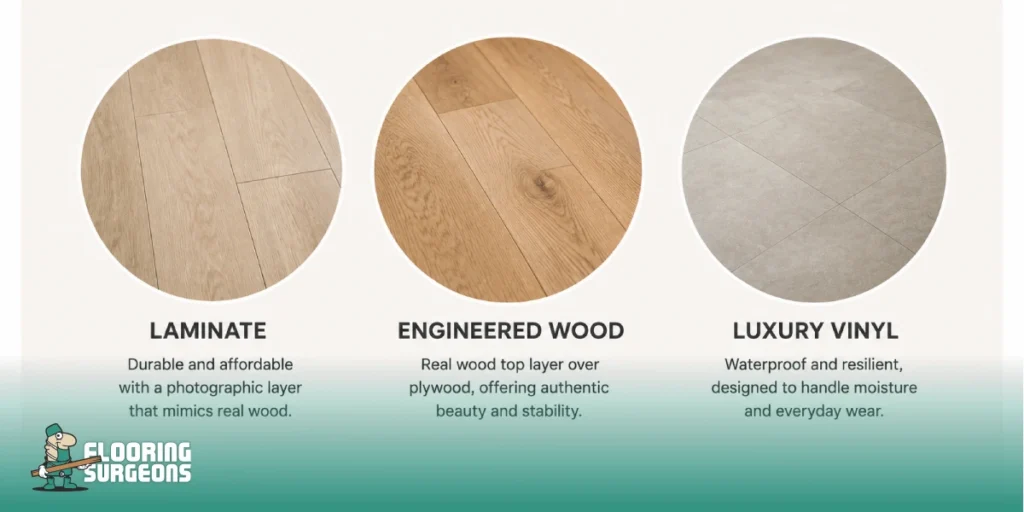
Laminate flooring is usually the least expensive option while providing adequate durability for high-traffic areas like living rooms and bedrooms. Engineered flooring and luxury vinyl flooring may be priced higher due to their durability, improved construction, and quality finishes.
Supplier and Market Factors
Flooring prices can also vary depending on the supplier and regional market factors. Some of the key considerations include: Flooring prices can also vary depending on the supplier and regional market factors. Some of the key considerations include:
- Quality of Brand: Some brands are priced higher because they are more recognised.
- Warranty Length: Some flooring prices increase with the length of the warranty.
- Location of Purchase: Pricing can change if you buy the same product from different stores, depending on shipping fees, demand, or product availability.
- Pricing tactics: Stores may have sales, offer packages, and run specials at certain times of the year.
Understanding these supplier pricing variations helps buyers compare options effectively and avoid overpaying for similar materials.
Flooring Installation Cost
The complexity of installation is another factor influencing flooring costs:
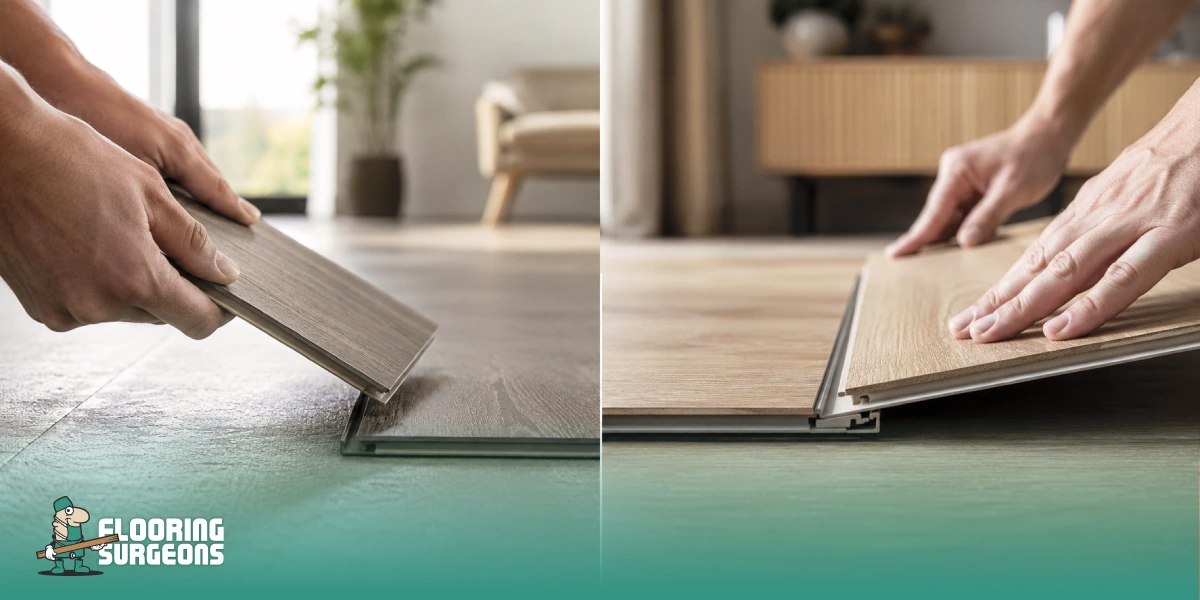
- Straightforward Patterns: Basic plank or tile layouts are typically faster and less expensive to install.
- Complex Layouts: Herringbone, Chevron, or detailed mosaic designs take more time and skill to install. These intricacies increase labour costs.
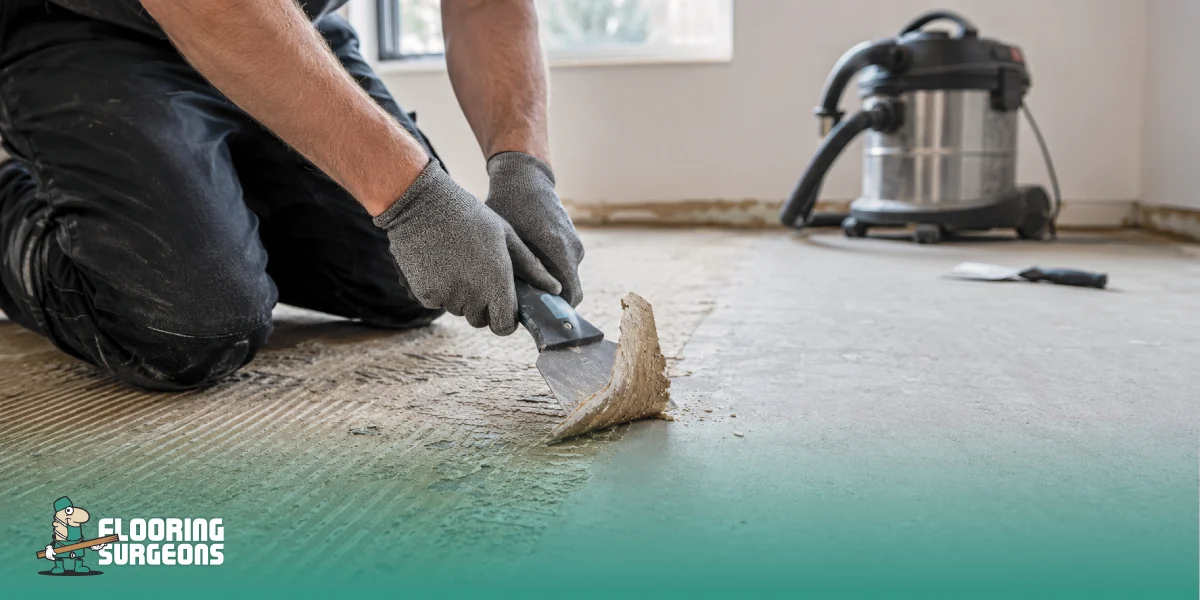
- Preparing the Subfloor: If your subfloor is uneven or damaged, additional work and materials may be needed to prepare it.
- Cost of Labour: Highly experienced installers will cost more. This is common with luxury flooring and when laying patterns.
For example, herringbone flooring demands exact alignment and meticulous craftsmanship, which increases labour costs. The easier the flooring pattern is to lay, the cheaper the installation will be. Keep material and installation effort in mind when comparing value vs price flooring.
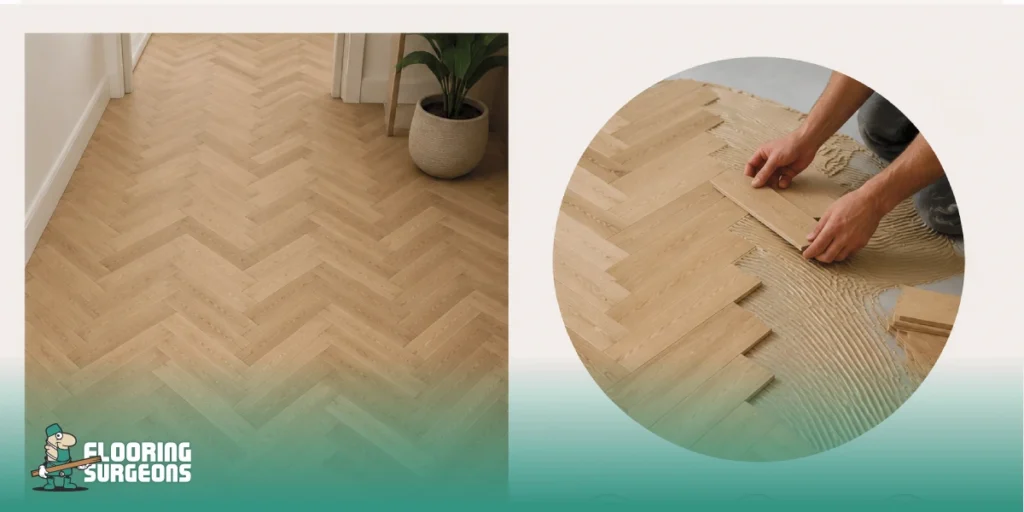
For a detailed breakdown of how much Herringbone flooring costs, check out our dedicated guide.
Flooring Price Differences: Comparison Table
The table below compares average prices, wear layer thickness, core material quality and installation difficulty ratings of some of the most common types of flooring to help you figure out why there is such a big range of prices from supplier to supplier:
| Flooring Type | Average Supplier Price | Wear Layer Thickness | Core Material | Installation Difficulty |
| Laminate Flooring | £20–£40 / m² | 0.2–0.5 mm | HDF Core | Easy |
| AC5 Laminate Flooring | £30–£50 / m² | 0.5 mm | HDF Core | Medium |
| Engineered Wood Flooring | £40–£70 / m² | 0.3–0.6 mm | Multi-layer Wood | Medium |
| Luxury Vinyl Flooring | £25–£60 / m² | 0.3–0.7 mm | PVC Core | Easy |
| Herringbone Flooring | £35–£80 / m² | 0.3–0.6 mm | Multi-layer Wood | Hard |
Note from the table that pricing also varies by wear-layer thickness, core material or construction, installation difficulty, and surface material. Similar-looking flooring products may also have significant price differences based on design and quality.
How to Choose the Right Flooring
Need help picking out flooring options for your home? Look no further. We have you covered for what’s best for high-traffic areas, moisture, and whatever else you may need. Click here to read our detailed article on the best kitchen flooring.
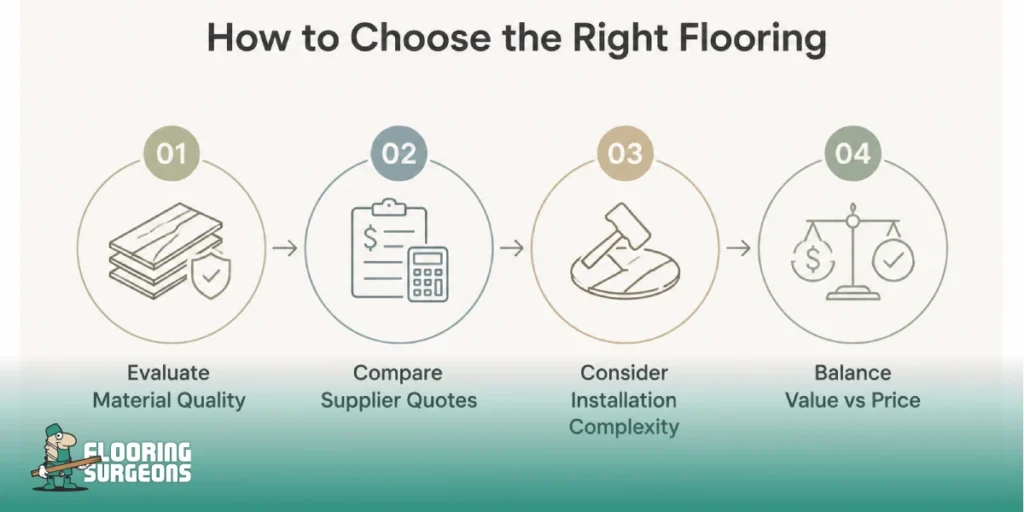
Evaluate Material Quality
- Look for materials that are scratch-resistant and moisture-resistant, too. This will help your mat last for years without showing excessive wear.
- Look at the wear layer thickness; generally speaking, the thicker, the better.
- Check how many layers make up the core. Multiple-layered cores are better than single-layered ones.
Compare Supplier Quotes
- Get quotes from several vendors to compare prices. Include materials, labour, and miscellaneous fees in the quote so you can see the full project price.
- Compare brands and warranties, which can sometimes make a higher price worth it.
Consider Installation Cost Flooring
- Complex flooring patterns, such as Herringbone or mosaic, may increase labour costs and timeline.
- Ensure the quote includes subfloor preparation. An uneven or damaged subfloor can increase your installation costs.
- Simple patterns typically install faster and at a lower cost. These offer the best value if you are on a budget.
Balance Value vs Price
Cheapest isn’t always the best. Balance longevity, maintenance costs and appearance. Spending a few dollars more now could save you money in maintenance down the road. Balance the price from the table above with the performance/installation difficulty.
Conclusion
Knowing what drives the flooring cost range helps homeowners spend their money wisely on flooring they love. Learn why flooring costs differ from supplier to supplier and use this knowledge to your advantage. With an understanding of the flooring cost drivers, you can choose your perfect floor and feel confident that you paid a fair price.
By working with qualified professionals you trust, like Flooring Surgeons, you can rest assured that your floors will be installed correctly and perform beautifully for years to come. In the end, researching your options, comparing quotes from different flooring suppliers, and knowing what you are getting will allow you, as a homeowner, to feel confident in your choice.

Ana.Soltanpoor
I’m an SEO Specialist with a strong background in content management and organic search. I build data-driven content strategies by aligning user intent, search behavior, and SEO best practices to ensure every piece of content delivers clarity, relevance, and measurable organic performance.