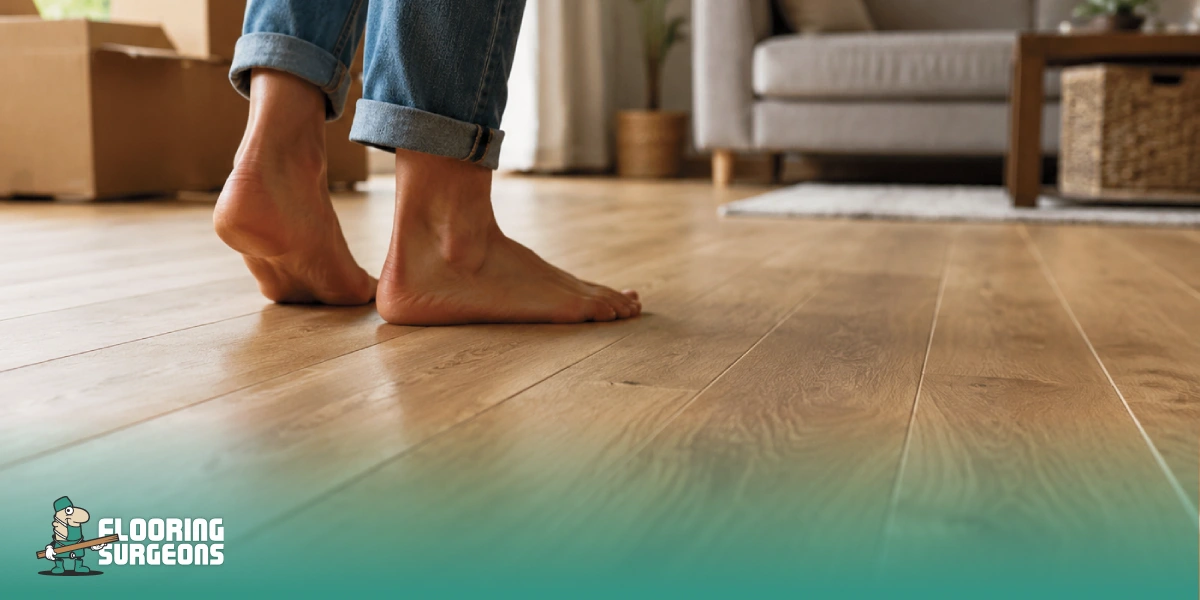
Something many people experience after new flooring is installed is a “funny” feeling when walking. Whether your floors feel a little soft or hard. Make unexpected sounds when you walk. Feel just a little different than what you’re used to. Or smell like new carpet. If you’ve never walked on a floor after it’s been installed, it can be startling. You may start to wonder… Is this how it’s supposed to feel? Did something go wrong during installation? Is there something wrong with my flooring?
In this guide, we’ll explain why new flooring often feels strange at first. We’ll provide you with some tips to help you adjust to your new floor more quickly. You’ll also learn when to be concerned and spot trouble ahead of time. Finally, enjoy your new floor knowing what to expect in these next few weeks. Read below to learn why your new floor feels weird and what’s normal.
Table of contents
Understanding Why New Flooring Feels Strange
One question we hear a lot following installation is: ” Why does my new floor feel weird? If your floor feels strange after installation, you’re not alone. There are many factors that can play into how a new floor feels beneath your feet.
Please note that even if your floor is installed completely correctly, it can still feel different from your old floor due to differences in texture, density, or finish. Think about laminate and engineered floors being harder or softer than solid wood, or luxury vinyl having a slightly bouncy feel. That’s why so many homeowners comment that their new floor feels unusual after installation or that they experience unusual floor sensations. This is normal for the first few days or weeks after installation.
Other culprits include new floor texture, acclimating to room temperature and humidity, and slight subfloor settling. Knowing the reasons your floor feels different can help you determine whether it’s just part of the process or if you need to call in the pros.
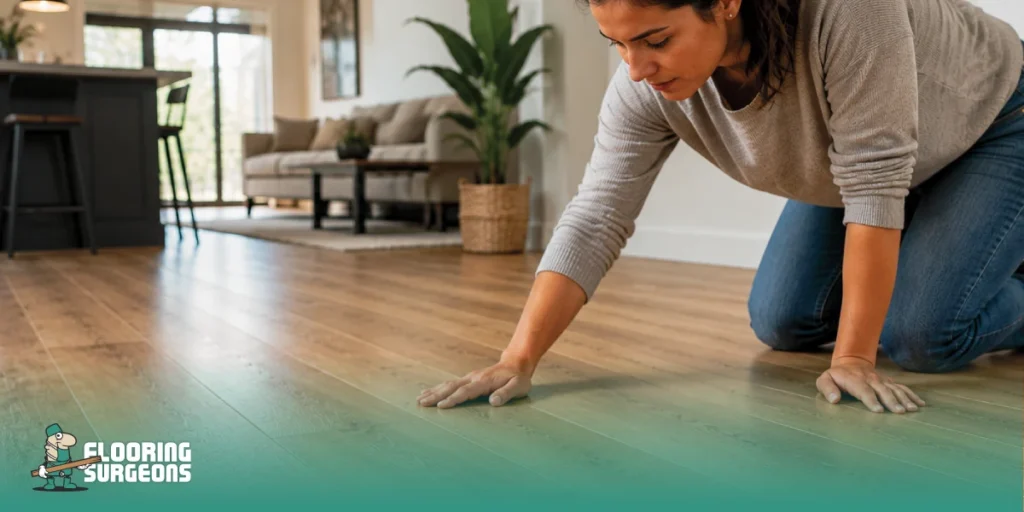
Common Sensations You Might Notice on a New Floor
After installation, many new floors will feel different underfoot in various ways. The good news is that most of these differences are temporary:
- Feeling a little soft or hard: All materials flex differently under pressure and movement.
- Creaking or soft noises: Floors can expand or contract slightly with changes in humidity and temperature.
- Texture of new floors: Whether it is laminate, engineered wood, or luxury vinyl, new floors feel different from your older floors.
- Odour: Off-gassing from new materials may cause a slight odour that will dissipate.
It’s important to understand these feelings so you know what is normal and what may need investigating.
How Different Flooring Types Feel When Newly Installed
There’s nothing quite like stepping onto your brand-new floor for the first time. However, depending on what type of flooring you’ve chosen, your feet will feel quite different things under them. Read through this quick guide of different flooring types to understand what you should feel when you first walk on your new floor.
Comparison Table: How Different Floors Feel
| Flooring Type | Typical Feel Underfoot | Durability | Quick Tip |
| Laminate Flooring | Smooth, firm, slight bounce | High | Clean with soft mop; avoid excess water. |
| Engineered Flooring | Natural wood texture, slightly warm | High | Acclimate to room conditions; wipe spills immediately. Check Oak Engineered Flooring for premium wood feel. |
| Luxury Vinyl Flooring | Soft, slightly springy | Waterproof | Use pH-neutral cleaner; waterproof design ideal for kitchens/bathrooms. Try Waterproof Luxury Vinyl. |
Laminate Flooring
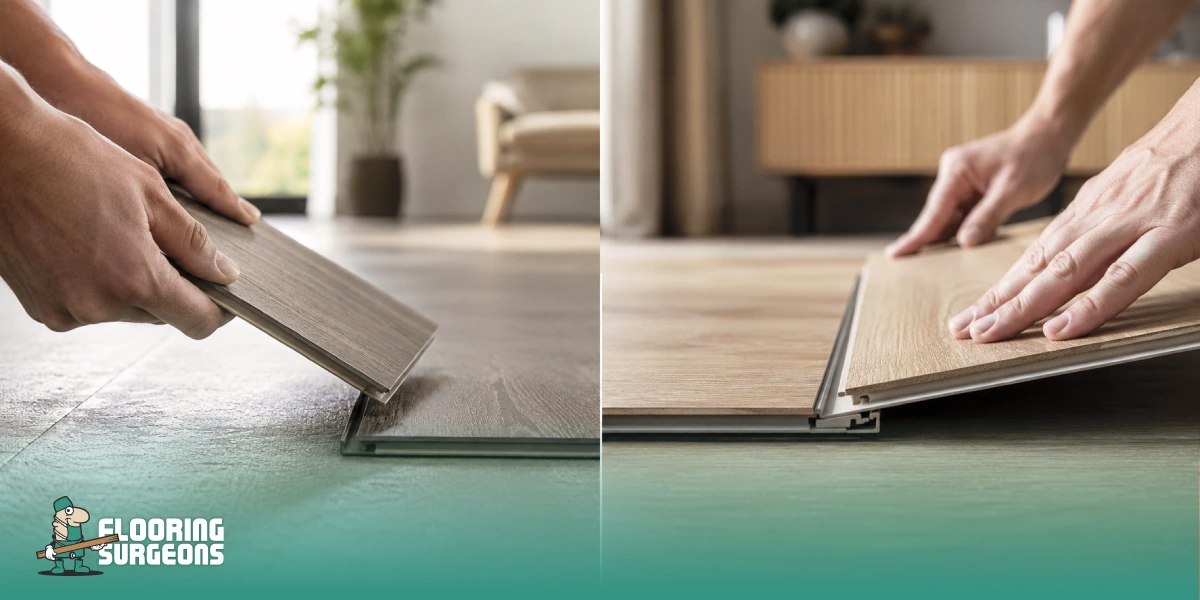
Laminate floors typically feel hard and smooth when walked on. Laminate floors can feel slightly bouncy or creaky when you first walk on them because they’re hard. You may experience this on top of an unlevel floor. This is normal and will usually stop within the first few days.
Engineered Flooring
Engineered hardwood feels more natural than laminate. Some customers have said it feels softer or warmer. A few even mentioned small creaks for the first week. As it acclimates to your room’s temperature and humidity, it will feel right at home.
Care: Clean up messes right away. Avoid extreme humidity. For a premium option with classic oak texture, check Oak Engineered Flooring.
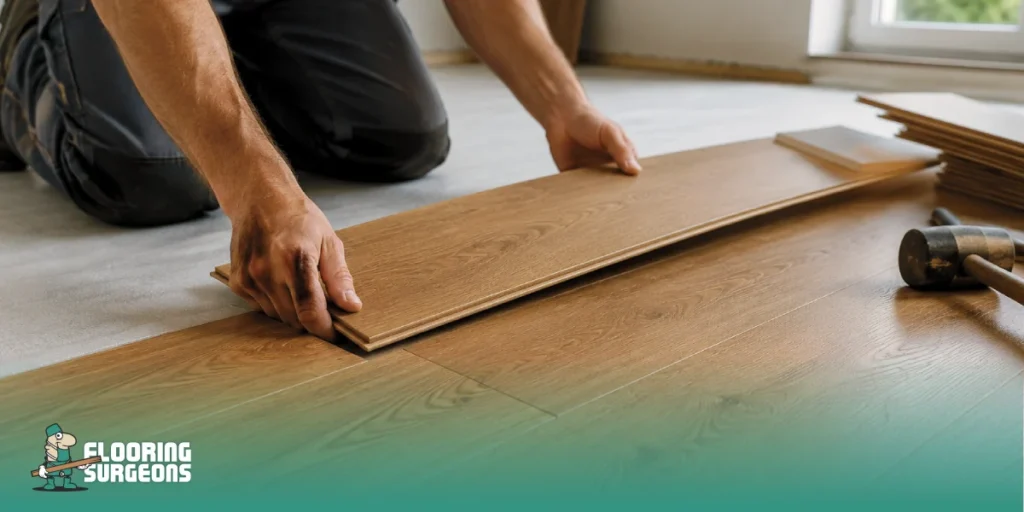
Luxury Vinyl Flooring
Luxury vinyl has a soft and slightly cushioned feel. It may feel different from what you’re used to if you have hardwood or laminate flooring. Since luxury vinyl is waterproof, you can install it in your kitchen or bathroom.
Tip: Clean with a pH-neutral floor cleaner. For extra protection and comfort, Waterproof Luxury Vinyl is a great choice.
Causes of Unusual Floor Sensations
Even a properly installed floor can feel weird for several weeks after you first walk on it. Knowing the reasons why can help you decide whether what you’re feeling is a normal adjustment or a problem.
- Flooring Materials Acclimate to Temperature and Humidity: When most flooring products are exposed to their environment, they must acclimate to those conditions. When temperatures or humidity fluctuate, your floor may feel a little softer or harder, or you may notice slight creaking. Find out more about adjusting your floor in Does Laminate Flooring Need To Acclimate?.
- Floor Composition or Movement: Hardwood flooring is made from different materials (laminate, engineered wood, luxury vinyl) that will react differently to weight distribution/movement. Some floors will be bouncy/springy to walk or run on, while others feel harder. Floors will have different textures, ranging from smooth to rough, depending on the finish and plank type.
- Minor Expansion/Gaps/Settling: Trapped air, minor levelling/subfloor issues, or an initial click-lock mechanism can cause an abnormal feeling when walking. Usually, it goes away on its own after a couple of days.
- Off-Gassing or Odour from New Floor: Most new flooring releases VOCs, which can cause a subtle smell. This is completely normal and should go away in the first couple of days.
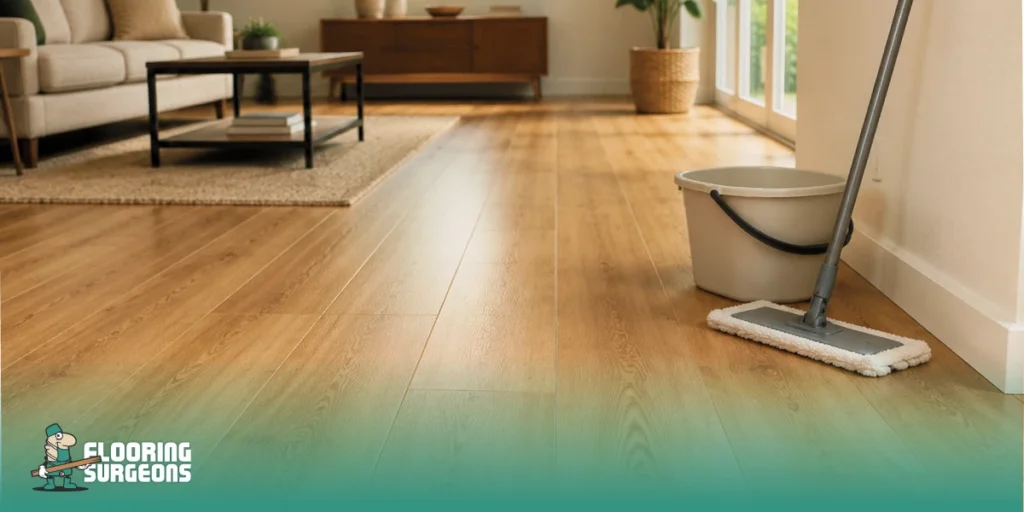
Tips for Adjusting to Your New Flooring
Adjusting to your new floor shouldn’t require much. Most of it is waiting and making small changes. Follow these tips to feel less weird when walking on your new floors:
- Allow Your Floor to Settle: Be gentle when walking on your floor for the first week. Your floor will compress as you walk on it. Some creaking or an odd texture is normal.
- Place Rugs in High Traffic Areas: Adding area rugs can help lessen hard or bouncy feelings underfoot. It also adds additional cushioning.
- Control the Humidity and Temperature: Many flooring types will acclimate to the rooms in which they are installed. Maintain a consistent temperature and humidity level in your home to help alleviate the flooring feeling weird.
- Clean Your Floor Regularly: Dust and debris can make floors sound louder when you walk on them. Follow the recommended cleaning guidelines to keep your floor feeling normal underfoot.
If you are experiencing early signs that your floor feels spongy or soft, check out Laminate Floor Feels Spongy? Top Causes & Easy Fixes.
Conclusion
Experiencing abnormal sensations on your new floor is normal. Whether you feel weird under your feet, the texture is off, or you notice small squeaks as you move across the floor, most new floors go through an adjustment period within the first few weeks of installation. Learn about common causes, follow a few helpful tips to help your floor adjust, and keep an eye on it moving forward to ensure a seamless transition and full confidence in your new floor investment.
Of course, if problems persist, be sure to reach out to a professional. Flooring Surgeons is happy to double-check your installation and walk you through any tips to help your new floors feel right. Otherwise, give yourself a few weeks to break in your new floors, we promise they’ll feel natural before you know it.

Ana.Soltanpoor
I’m an SEO Specialist with a strong background in content management and organic search. I build data-driven content strategies by aligning user intent, search behavior, and SEO best practices to ensure every piece of content delivers clarity, relevance, and measurable organic performance.