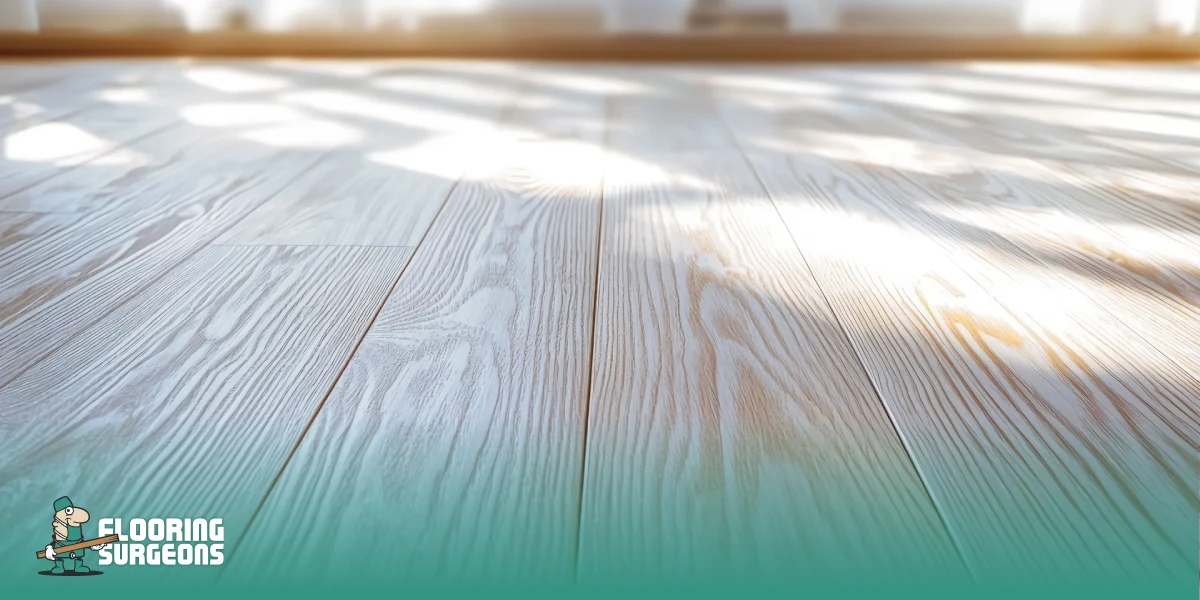
You’ve probably seen floors that look perfect at the store, but immediately appear to have every imperfection once you bring them home into bright sunlight. Then you’ve seen floors that withstand high traffic from foot traffic, pets, furniture, and cleaning without showing every small scratch. It’s not always about which floor has higher hardness ratings or is more expensive; it often comes down to how light is reflected off the floor.
The reason some floors conceal scratches better than others, even in bright lighting, is that scratches are more visible on some floors than others. Factors such as finish, colour, grain pattern, texture, and glare can determine whether small scratches are hidden within the floor or are immediately noticeable.
Table of contents
Hiding Scratches Is Different from Being Scratch-Proof
Scratch-proof implies that floors will never scratch. Scratch-resistant means floors can hide scratches very well. The distinction is important because homeowners often select flooring solely for durability and are upset when small scratches become visible under daylight.
Most Scratch-resistant flooring can take normal daily abuse better than other floors. There’s no such thing as a floor that can’t be damaged. Chair legs, pets, grit from shoes, and dragged items will scratch any floor given enough time. Will those scratches be noticeable when the sun hits them?
Scratch-resistant flooring is important for that reason. Flooring with the right colour, finish and surface pattern can camouflage light scratches rather than highlight them. Learn about how easily laminate flooring scratches and what contributes to scratch-resistant flooring in the real world before picking out flooring by look alone.
Why Bright Light Makes Floor Scratches Stand Out
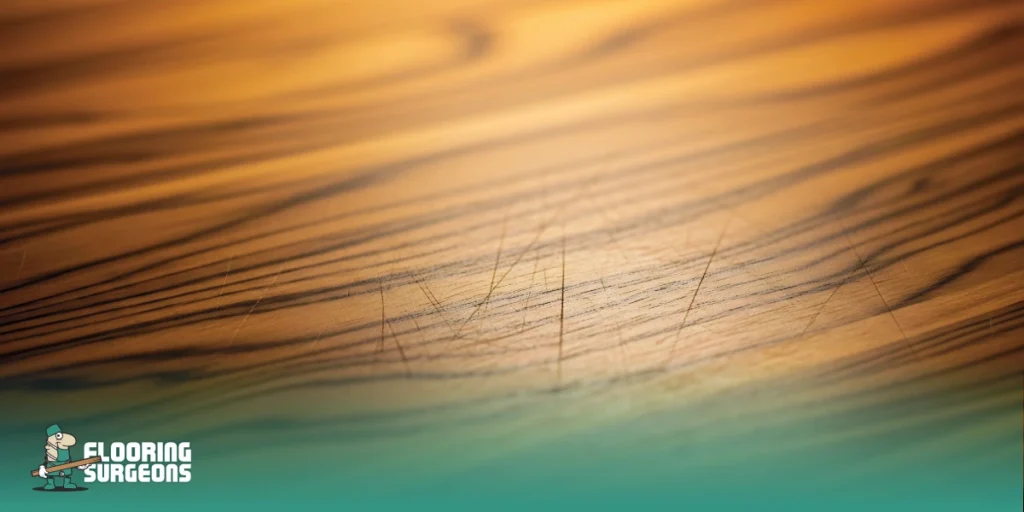
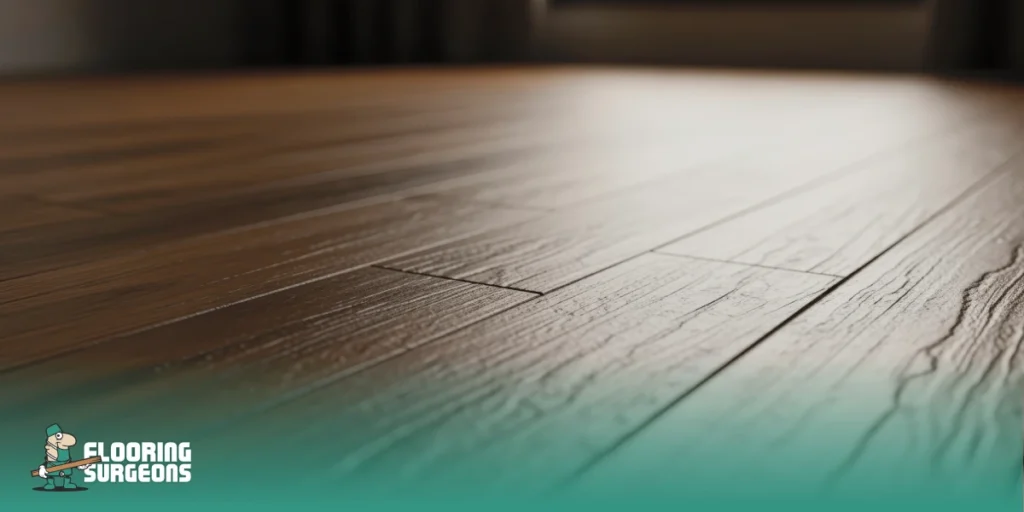
Bright light exaggerates small imperfections. When sunlight, overhead lights, or harsh daylight hits a flat surface like a floor, glare from that surface can make bumps and textures more noticeable. This glare is most obvious on shiny floors. Flooring finishes with high-gloss levels will reflect more light, potentially causing glare.
This makes fine scratches more visible. Additionally, indirect light from large windows can highlight small surface scratches that aren’t visible when looking straight down. That’s why some floors seem flawless until you turn on the overheads. The smoother and more reflective the floor is, the more pronounced those scratches will appear.
5 Reasons Some Floors Hide Scratches Better
Floors do not always show damage in the same way. Two floors can have the same durability, yet one could make smaller abrasions that are more visible. The variance can typically be attributed to finish, colour, pattern, texture and depth of the scratch.
1. Matte and Satin Finishes Reduce Scratch Visibility
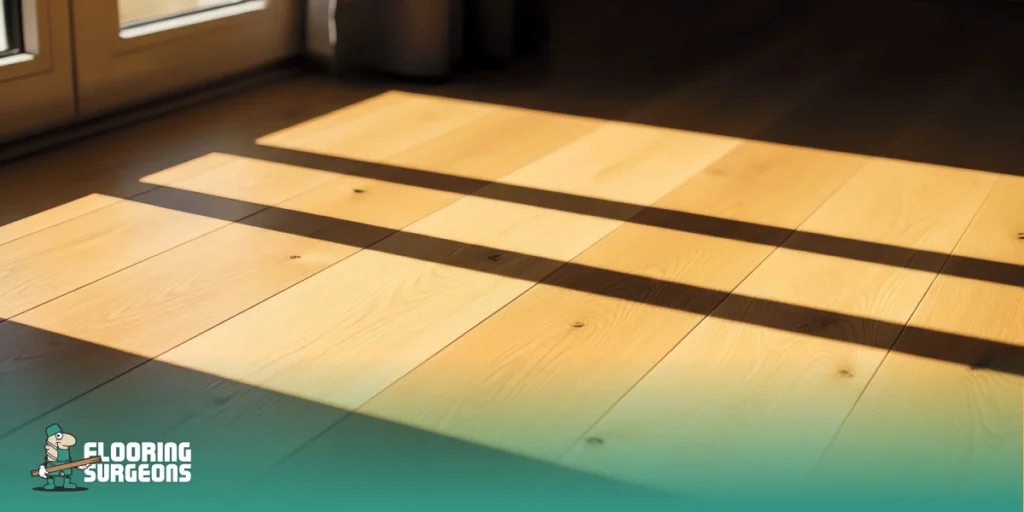
A matte finish or satin finish will typically conceal small imperfections better than shiny flooring. Low-sheen floors scatter light less, so scratches won’t stand out as much when sunlight or ceiling fixtures strike the floor.
Gloss finishes can make flooring look smooth and sleek, but they tend to show fine scratches more easily. Small surface scratches can become really obvious if the rest of the floor is reflecting light intensely nearby. If your household has high traffic, a lower sheen floor is typically more forgiving. Lower sheen levels reduce glare and allow normal wear to camouflage into the floor.
2. Mid-Tone Colours Hide Marks Better
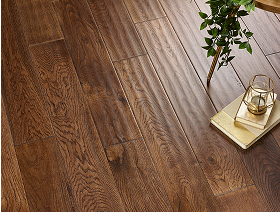
Colour affects how noticeable scratches are. Dark floors can exaggerate dust, pet hair, scuff marks, and light scratches because of the greater contrast. Light flooring might work well in certain rooms, but darker marks may stand out on lighter colours if it’s too light or lacks texture.
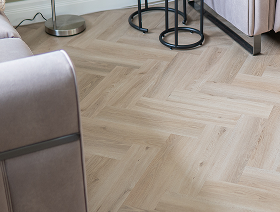
Medium or mid-toned floors are popular because they avoid these two extremes. Natural oak, soft beige, warm grey and blended timber tones can help disguise little imperfections, particularly if you have bright daylight flooding the space. This is why we like to compare dark flooring vs light flooring, colour not only affects the aesthetic of a room, but can also affect how visible your floors’ scratches are.
3. Wood Grain and Colour Variation Break Up Scratches
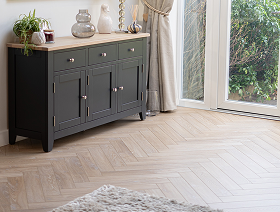
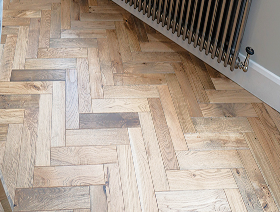
Scratches look more obvious on completely plain floors. When the finish is just one flat colour, even minor scratches can stick out like a sore thumb. Floors with wood grain or other mixed tones, knots, and realistic movement tend to be more forgiving. Distinctive patterns can help disguise scratches by visually breaking them up rather than lying on top of them. Oak laminate floors often have this effect. That’s why they can be good for rooms with lots of light. The grain texture and colour variety can disguise small scratches better than a plain floor.
4. Textured Surfaces Make Fine Scratches Less Obvious
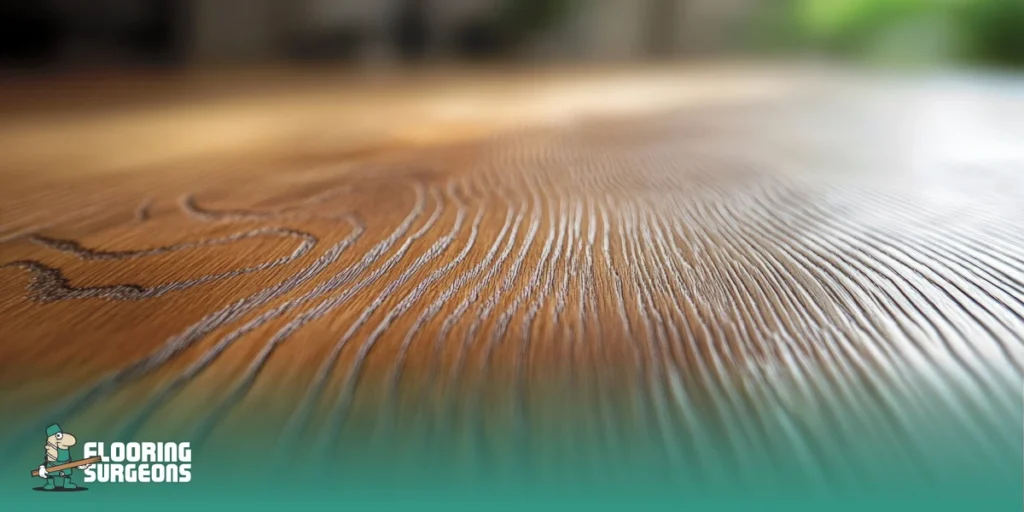
Texture can make your floor much more practical. When something is completely smooth, a single scratch on the surface creates a noticeable line that light reflects from. Texture adds natural variation to the surface, so small scratches are less likely to stand out.
Brushed, embossed, or lightly-textured finishes disguise small scrapes from shoes, chairs, pets, etc. They won’t prevent damage entirely, but will help wear and tear from everyday life seem less obvious. Light luxury vinyl flooring can work well in bright spaces if it has a textured surface. Lighter tones paired with subtle texture will minimise the contrast of small blemishes.
5. Scratch Depth Matters More Than People Think
Scratches come in all different shapes and sizes. Often, hairline scratches lie across the surface of your floor and can become more or less visible depending on your lighting. It’s these scratches that your finish, colour, grain and texture can help to mask.
Deep scratches, however, will be noticeable regardless of the style you select if they penetrate through the top coat or damage the floor’s wear layer. That is why hardness rating, durable topcoat and proper daily maintenance are still important factors to consider. Using furniture pads, cleaning your shoes before walking across your floors, and picking up heavy objects rather than dragging them will help prevent permanent scratches.
Which Flooring Choices Usually Hide Scratches Best?
Oddly enough, the floors that hide scratches the best aren’t always the hardest floors. Usually, they are the floors with less shine, inherent randomness, and a surface that isn’t so perfectly smooth as to reflect every microscopic blemish.
| Flooring choice | Scratch visibility | Why it helps |
| Matte or satin floors | Lower | Less glare and softer light reflection |
| Mid-tone wood-effect floors | Lower | Grain and colour variation break up marks |
| Textured vinyl floors | Lower | Surface texture helps disguise fine scratches |
| High-gloss dark floors | Higher | Strong reflection makes scratches stand out |
| Plain solid-colour floors | Higher | No pattern or variation to hide marks |
Distressed engineered flooring hides scratches better than a flawless, smooth, glossy wood floor if you like the look of real wood. Everyday wear tends to disappear into the patina of texture, grain and character marks.
What to Avoid If Scratches Bother You
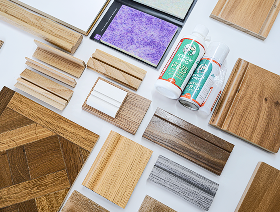
Avoid extremely slick floors if scratches bother you. Dark, shiny floors or high-gloss finishes look gorgeous in catalogues and Instagram feeds, but you will notice scuff marks, dust, and light scratches more easily when the sun is shining. Avoid selecting flooring based only on a small sample. A finish may gleam in the artificial lighting of a store, but appear different when installed next to a large window or under bright ceiling lights.
Consider avoiding habits that will lead to furniture scratches in the first place, too. Avoid dragging chairs, tables or bulky furniture across your floors. No matter how well your floors hide these marks, they will last longer if you keep grit, sharp objects, and daily abrasions to a minimum.
Quick Answer: Why Do Some Floors Hide Scratches Better?
Some floors disguise scratches better because they reflect less light (are less glossy), are more forgiving of colour, and/or have patterns/textures that allow small scratches to hide. Generally speaking, a floor with a low sheen, natural colour shading, and surface texture will disguise day-to-day wear better than a shiny, dark, or starkly smooth floor.Scratches also become more visible on floors in rooms with lots of light.
This is because light reflects around the room from the floor’s surface. High-gloss floors often emphasise scratches and scuffs, while mid-to-low sheen floors with pattern or texture remain looking cleaner for longer. At Flooring Surgeons, we understand how floors perform in real homes, not just under the bright lights of a showroom.

Ana.Soltanpoor
I’m an SEO Specialist with a strong background in content management and organic search. I build data-driven content strategies by aligning user intent, search behavior, and SEO best practices to ensure every piece of content delivers clarity, relevance, and measurable organic performance.