Choosing the best flooring for your home is about balancing beauty, durability, and practicality. The right floor can transform a room’s look, make maintenance easier, and even affect how warm or quiet your home feels throughout the year. So, what type of flooring is best for your space?
This guide explores top flooring options like engineered wood, luxury vinyl, and high-quality laminate, helping you choose the best fit for each space based on your needs and lifestyle.
Table of contents
Why Choosing the Best Flooring Matters for Every Home
Selecting the best type of flooring goes far beyond picking a colour or pattern you like; it directly affects how your home looks, feels, and performs over time. Choosing the best flooring type is crucial for ensuring your space remains functional and visually appealing. The floor is one of the most used surfaces in any property, and getting it wrong can mean years of frustration, high maintenance costs, or an uncomfortable living environment. Getting it right, however, brings long-term satisfaction, comfort, and value to your space.
Key Reasons to Find the Best Type of Flooring
The flooring you choose has a lasting impact on your home’s function, maintenance, and overall atmosphere. Here’s why this decision matters so much:
- Durability and longevity: The right flooring determines how well your space will hold up under daily wear and tear. High-traffic areas like hallways or kitchens need tough, scratch-resistant materials such as laminate or luxury vinyl, while quieter rooms benefit from softer, natural options like engineered wood or carpet.
- Maintenance and practicality: Some floors require frequent care, such as waxing, resealing, or polishing, while others stay beautiful with a simple sweep and mop. If you prefer low-effort upkeep, laminate and vinyl floors are your best allies.
- Aesthetic harmony: Flooring sets the visual tone for an entire room. A poor choice can clash with your walls, furniture, or lighting. Think of your floor as a canvas; its colour, texture, and pattern influence every design decision that follows.
- Budget efficiency: Not all premium-looking floors come with premium prices. Laminate and LVT (luxury vinyl tile) offer the appearance of real wood or stone at a fraction of the cost, letting you achieve the look you love without overspending.
- Room-specific needs: Each area of your home behaves differently. Bathrooms and kitchens require moisture-resistant flooring, while living rooms and bedrooms can focus on warmth and comfort. Matching the flooring type to the room’s purpose ensures it performs beautifully for years.
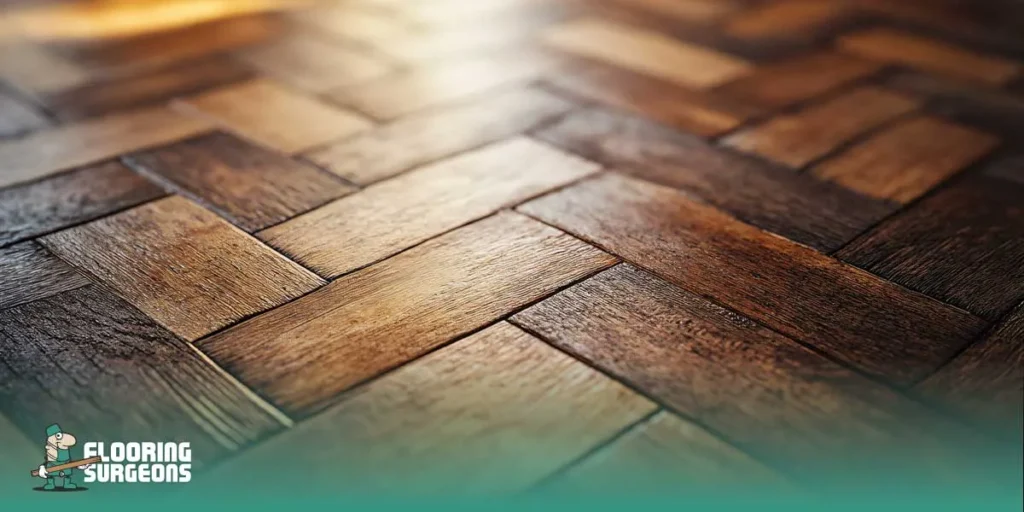
How the Right Floor Covering Impacts Design and Comfort?
Your choice of floor covering isn’t just about practicality; it defines the personality of your home. Light-coloured floors can make compact UK rooms feel larger and brighter, while darker shades add depth and sophistication to open living areas. Textured finishes provide warmth and grip, ideal for families and pets, whereas smooth, matte finishes deliver a sleek, modern touch.
A well-chosen floor balances aesthetics and comfort: it softens acoustics, improves underfoot warmth (especially with underfloor heating), and creates a cohesive flow between rooms. Simply put, the best flooring doesn’t just support your décor, it completes it.
Flooring Options & Their Best Room Fits
Choosing the best type of flooring depends on where you’re installing it, your lifestyle, and how much maintenance you’re willing to do. Below, we’ll explore each flooring option in detail, from hardwood to laminate, vinyl, tile, and natural stone, highlighting where each performs best in UK homes.
Hardwood Flooring: Classic, Durable, and Timeless
Few materials can match the natural beauty and prestige of hardwood flooring. Made entirely from solid timber, it offers a genuine, luxurious feel underfoot that synthetic floors can only imitate. Perfect for homeowners seeking a long-term investment, hardwood combines classic aesthetics with remarkable durability, though it requires care to stay at its best.
Advantages and Disadvantages of Hardwood Floors
Hardwood flooring is renowned for its character and longevity. Each plank showcases unique grain patterns and tones, creating a rich, organic warmth that enhances almost any décor.
Advantages:
- It can last for decades (often 40–60 years) with refinishing.
- Increases home value and provides timeless visual appeal.
- Works beautifully in both traditional and modern interiors.
Disadvantages:
- Costly to purchase and install.
- Sensitive to moisture and temperature changes.
- Requires occasional sanding, sealing, or oiling.
The best flooring choice for homeowners prioritising long-term beauty and resale value, but not ideal for damp or high-traffic kitchens.
Best Areas to Install Hardwood Flooring in UK Homes
Ideal for living rooms, dining areas, hallways, and bedrooms. Avoid using it in bathrooms or utility areas. In UK homes, combining oak floors with muted wall tones (like sage or cream) delivers a refined, classic look.
Laminate Flooring: Affordable and Versatile
Laminate flooring is the best all-rounder for practicality and value. Designed to mimic wood or stone at a fraction of the cost, it’s a durable, easy-to-clean, and visually impressive option. Thanks to its layered synthetic structure, it resists scratches and stains, making it a go-to solution for busy families and pet owners.
Pros and Cons of Laminate Floors
Pros:
- Budget-friendly with realistic wood and stone effects.
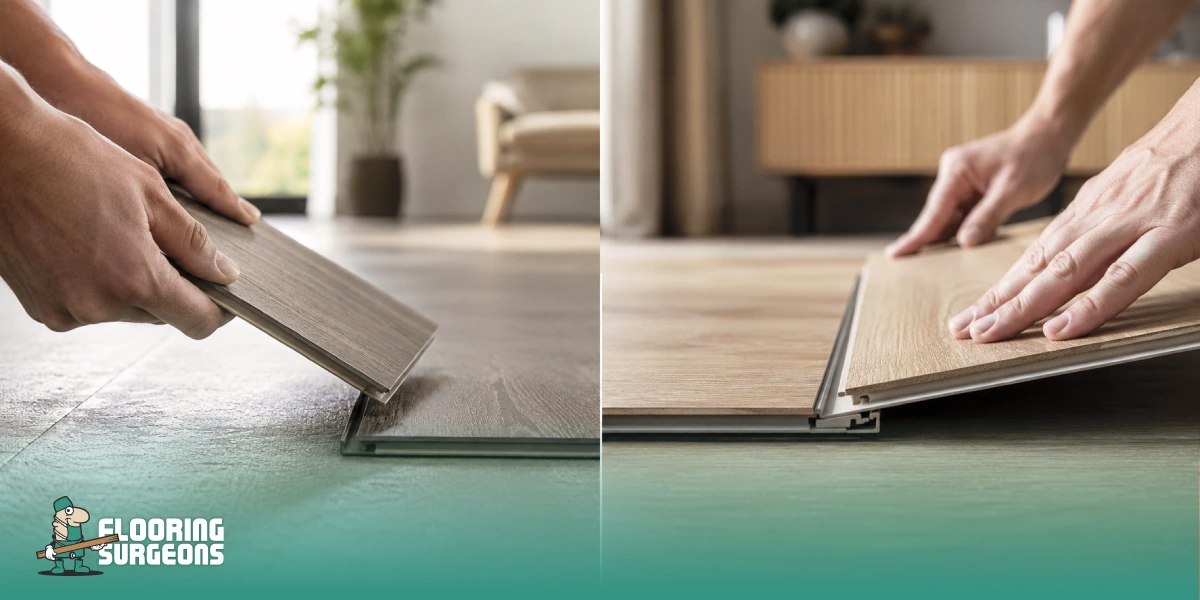
- Scratch-resistant and easy to install with click-lock systems.
- Excellent choice for high-traffic areas.
Cons:
- Cannot be refinished after damage.
- Cheaper types may swell when exposed to prolonged moisture.
- Feels less “solid” underfoot compared to real wood.
Where Laminate Flooring Works Best in Modern Homes
Laminate is perfect for living rooms, hallways, and home offices, combining style with practicality. For moisture-prone areas, choose a water-resistant or waterproof laminate that performs well even in kitchens or entryways.
Vinyl Flooring: The Best Waterproof Flooring Option
If you’re looking for durability, comfort, and full water resistance, vinyl flooring might be the best flooring type for modern UK homes. Available in planks or tiles, luxury vinyl (LVT) replicates natural wood or stone while offering superior practicality, especially for busy households.
Benefits and Drawbacks of Luxury Vinyl Flooring
Benefits:
- 100% waterproof and highly resilient.
- Soft and warm underfoot, ideal for underfloor heating.
- Easy to clean, perfect for families and rental homes.
Drawbacks:
- Low-end vinyl can emit VOCs (choose low-VOC brands).
- May dent under heavy furniture if unprotected.
- Less “premium” than real wood or stone in resale value.
Ideal Spaces for Vinyl Flooring in UK Houses
Vinyl excels in bathrooms, kitchens, laundry rooms, and basements. It’s also ideal for open-plan homes, providing seamless, moisture-resistant coverage throughout living spaces.

Ceramic and Porcelain Tile Flooring: Best for Kitchens and Bathrooms
Tile flooring has long been one of the best choices for wet or humid environments. Ceramic and porcelain tiles are durable, elegant, and exceptionally easy to clean, making them ideal for UK homes where water exposure and temperature changes are common. They offer timeless beauty with incredible longevity.
Looking for the best type of kitchen flooring? Discover why ceramic and porcelain tiles are the top choice for durability, elegance, and easy maintenance in this essential guide.
Advantages and Limitations of Tile Floors
Advantages:
- Thoroughly water- and heat-resistant.
- Compatible with underfloor heating systems.
- Available in endless designs, colours, and finishes.
Limitations:
- Feels cold and hard underfoot without heating.
- Grout needs regular cleaning and sealing.
- Higher professional installation costs.
Best Use Cases for Ceramic and Porcelain Tiles
Tiles are best used in kitchens, bathrooms, entrance halls, and utility rooms, where spills are frequent. For a sleek, modern aesthetic, choose large-format porcelain tiles; for a cosy farmhouse look, opt for matte ceramic with subtle texture. Ceramic and porcelain tile flooring is one of the best options for UK flooring, especially in kitchens and bathrooms.
Natural Stone Flooring: Luxury and Longevity Combined
For homeowners seeking elegance and permanence, natural stone is among the best premium flooring materials. Each slab of marble, granite, or slate has a one-of-a-kind texture, creating a high-end feel that synthetic floors cannot replicate. It’s an investment that enhances both aesthetics and property value.
Pros and Cons of Natural Stone Floors
Pros:
- Unmatched luxury and individuality.
- Exceptionally durable and long-lasting.
- Adds value and pairs beautifully with underfloor heating.
Cons:
- Expensive to install and heavy to handle.
- Requires periodic sealing and maintenance.
- It can be cold and slippery when polished.
Suitable Rooms and Applications for Stone Flooring
Best suited for entrance halls, bathrooms, conservatories, and luxury kitchens. In UK homes, slate or travertine creates a rustic aesthetic, while marble delivers an elegant, timeless finish ideal for high-end interiors.
Cost and Durability Comparison of the Best Flooring Types
Before choosing the best for your home, it’s essential to balance two key factors: cost and durability. Some materials may have a higher upfront price but last for decades with minimal upkeep, while others offer a budget-friendly installation but need more frequent replacement. Understanding both helps you make a smarter long-term investment.
Installation and Maintenance Costs of Different Floor Coverings
The cost of flooring varies widely depending on material type, quality, and installation complexity. While budget options like laminate and vinyl are affordable and easy to fit, natural materials such as wood or stone command higher prices due to labour, preparation, and finishing needs.
| Flooring Type | Approx. Installation Cost (per m²) | Maintenance Cost / Effort | Key Notes |
| Laminate Flooring | £15–£30 | Very low – occasional cleaning | Ideal for tight budgets; DIY-friendly |
| Vinyl / LVT Flooring | £20–£40 | Very low – waterproof and easy to mop | Great for kitchens and bathrooms |
| Engineered Wood Flooring | £35–£70 | Moderate – occasional refinishing | Real-wood look, better moisture control |
| Solid Hardwood Flooring | £50–£100 | High – sanding and sealing required | Adds property value; long lifespan |
| Ceramic / Porcelain Tiles | £40–£90 | Low–grout needs sealing | Best for wet rooms; labour-intensive fitting |
| Natural Stone Flooring | £70–£150 | Moderate – periodic sealing | Luxurious, durable, but expensive |
| Carpet Flooring | £20–£50 | Moderate – vacuum and deep clean | Soft and warm, but less durable |
| Cork or Bamboo Flooring | £30–£60 | Moderate – needs sealing | Eco-friendly; sensitive to moisture |
If you’re aiming for a balance between aesthetics, affordability, and low maintenance, laminate and vinyl flooring give the best overall value for UK homes. For long-term investment or resale, engineered wood flooring and tile flooring are the smarter financial choices.
Lifespan and Wear Resistance: Which Flooring Is Best for High-Traffic Areas?
Durability is one of the biggest differentiators between flooring types. Hallways, kitchens, and living rooms see constant movement, while bedrooms and offices face lighter use. The best flooring for high-traffic areas is one that resists scratches, dents, moisture, and fading without losing its visual appeal over time.
| Flooring Type | Average Lifespan | Scratch / Moisture Resistance | Ideal Locations |
| Laminate Flooring | 15–25 years | High scratch resistance / Moderate water resistance | Hallways, living rooms, offices |
| Vinyl / LVT Flooring | 20–30 years | Excellent waterproofing / High resilience | Kitchens, bathrooms, open-plan areas |
| Engineered Wood Flooring | 25–40 years | Medium water resistance / Refinishable | Bedrooms, dining rooms, and living areas |
| Solid Hardwood Flooring | 40–60 years | Low moisture tolerance / Refinishable | Dry spaces like bedrooms or lounges |
| Ceramic / Porcelain Tile | 40–70 years | Fully waterproof / Extremely durable | Kitchens, bathrooms, entryways |
| Natural Stone Flooring | 50+ years | Fully waterproof when sealed / Very strong | High-end kitchens, foyers, and conservatories |
| Carpet Flooring | 10–15 years | Low moisture resistance / Prone to stains | Bedrooms, low-traffic lounges |
| Cork / Bamboo Flooring | 20–30 years | Moderate moisture resistance / Softer surface | Offices, bedrooms, playrooms |
Top performers for heavy use:
- Vinyl and porcelain tiles for waterproof, scratch-proof durability.
- Laminate for affordability and high resistance to everyday wear.
- Engineered wood is a good choice if you want a balance of natural beauty and practicality.
In busy UK households with pets or children, AC4- or AC5-rated laminates offer the best longevity. In kitchens or bathrooms, LVT flooring outlasts almost every alternative while remaining soft and quiet underfoot.

Choosing the Best Type of Flooring for Every Room in Your Home
Every space in your home has different needs; what works beautifully in a bedroom may not survive the wear and moisture of a kitchen or bathroom. The best type of flooring for your home depends on how each room is used, the level of traffic, and the level of maintenance you’re comfortable with. Below, you’ll find expert recommendations for each main living space in a typical UK home.
Best Flooring Options for Living Rooms
The living room is the heart of most UK homes, a space that needs to balance comfort, warmth, and everyday durability. Here, the best flooring choices are those that feel inviting, look elegant, and can handle high traffic from family gatherings and guests.
Top recommendations:
- Engineered wood flooring – the perfect blend of sophistication and practicality. It gives you the natural look of oak or walnut without the risk of warping.
- Laminate flooring – a cost-effective alternative that mimics real wood beautifully and resists scratches and scuffs.
- Luxury vinyl (LVT) – if you want comfort underfoot, sound absorption, and easy maintenance.
Choose warm mid-tones like natural oak or honey brown to make living spaces feel cosy, especially under the cooler UK light.
Best Flooring Choices for Kitchens
Kitchen floors face some of the most challenging conditions: spills, moisture, and heavy foot traffic. The best type of kitchen flooring must be waterproof, easy to clean, and scratch- and stain-resistant.
Top recommendations:
- Luxury Vinyl Flooring (LVT): 100% waterproof, soft underfoot, and ideal for families. It’s one of the best flooring options in UK kitchens due to its resilience and realistic tile or wood designs.
- Porcelain Tiles: The most durable and hygienic option for busy cooking areas. They’re heat- and water-resistant but can feel cool without underfloor heating.
- Engineered Wood: A stylish alternative if you prefer a natural look, but ensure it’s properly sealed to handle moisture.
Avoid solid wood in kitchens; even minor spills can cause swelling. Instead, pair waterproof vinyl or tiles with underfloor heating for warmth and comfort.
Best Flooring Recommendations for Bedrooms
Bedrooms deserve flooring that enhances relaxation and comfort. The best bedroom flooring should feel warm and quiet, complement your interior style, and require minimal upkeep.
Top recommendations:
- Carpet flooring: The classic choice for warmth, sound absorption, and comfort underfoot, perfect for cold UK mornings.
- Engineered wood: Adds elegance and long-lasting style, especially when combined with rugs for extra softness.
- Cork flooring: A sustainable and cosy option that feels naturally cushioned and insulates sound.
For smaller bedrooms or flats, choose lighter wood tones or soft neutral carpets to make the space appear larger and brighter.
Best Flooring for Bathrooms and Wet Areas
Bathrooms, wet rooms, and laundry areas need flooring that can handle constant moisture and frequent temperature changes. The best bathroom flooring options must be 100% waterproof and slip-resistant while maintaining a modern, clean appearance.
Top recommendations:
- Vinyl flooring (LVT): The ultimate waterproof and budget-friendly solution, it’s stylish, warm underfoot, and completely sealed against moisture.
- Porcelain or ceramic tiles: The most popular bathroom floor coverings in UK homes. Extremely durable, available in many finishes, and ideal for use with underfloor heating.
- Natural stone tiles (like slate or marble): A luxury upgrade that’s highly durable and beautiful but needs proper sealing to stay non-porous.
Avoid laminate or hardwood in bathrooms, as even minor leaks can cause swelling or peeling. Always use anti-slip finishes for added safety in wet zones.
Final Tips for Selecting the Best Flooring in the UK Market
Choosing the best flooring in the UK isn’t just about looks; it’s about finding the perfect balance between design, practicality, and lifestyle. Before making your final decision, here are some expert-backed tips to help you choose wisely and invest in a floor that truly lasts.
How to Narrow Down the Best Floor Covering for Your Lifestyle
The right flooring depends mainly on how you live day to day. Busy households with pets or children will need durable, scratch-resistant flooring, such as laminate or luxury vinyl. At the same time, quieter homes may prefer the natural beauty of engineered wood or carpet for warmth and comfort.
Here’s how to decide what’s best for you:
- If you value low maintenance, go for vinyl or laminate flooring.
- If you want timeless appeal, engineered oak or solid wood flooring is worth the investment.
- If sustainability matters most, explore bamboo or cork flooring.
- For luxury and resale value, nothing beats stone or porcelain tile floors.
Always consider foot traffic, temperature, and humidity before deciding on the “best” flooring; it should suit your actual lifestyle, not just your aesthetic preferences.
When to Consult Flooring Experts Before Choosing
Even with research, flooring can be complex; every product behaves differently depending on your subfloor, installation method, and environment. Consulting an expert can prevent costly mistakes and ensure you get the best performance from your investment.
Consult a professional if:
- You’re unsure about subfloor preparation or moisture issues.
- You’re combining different floor types in one home (e.g., tile-to-wood transitions).
- You need guidance on underfloor heating compatibility or sound insulation.
Flooring specialists can recommend exact brands, finishes, and installation systems suited to UK climate conditions, saving you both time and money in the long run.
Where to Find the Best Flooring Collections in the UK?
When sourcing quality materials, choosing the right retailer is just as important as selecting the flooring itself. The UK market offers a wide variety of brands, but working with a trusted supplier ensures professional advice, product guarantees, and aftercare support. Explore trusted UK flooring specialists, such as Flooring Surgeons, offering a complete range of laminate, vinyl, engineered wood, and herringbone collections. Their curated designs combine beauty, performance, and durability, all backed by expert advice and free sample options.

bruno
bruno is a contributor at Flooring Surgeons, sharing insights and expertise through published articles.